The Sahel under pressure: Jihadist groups expand and adapt
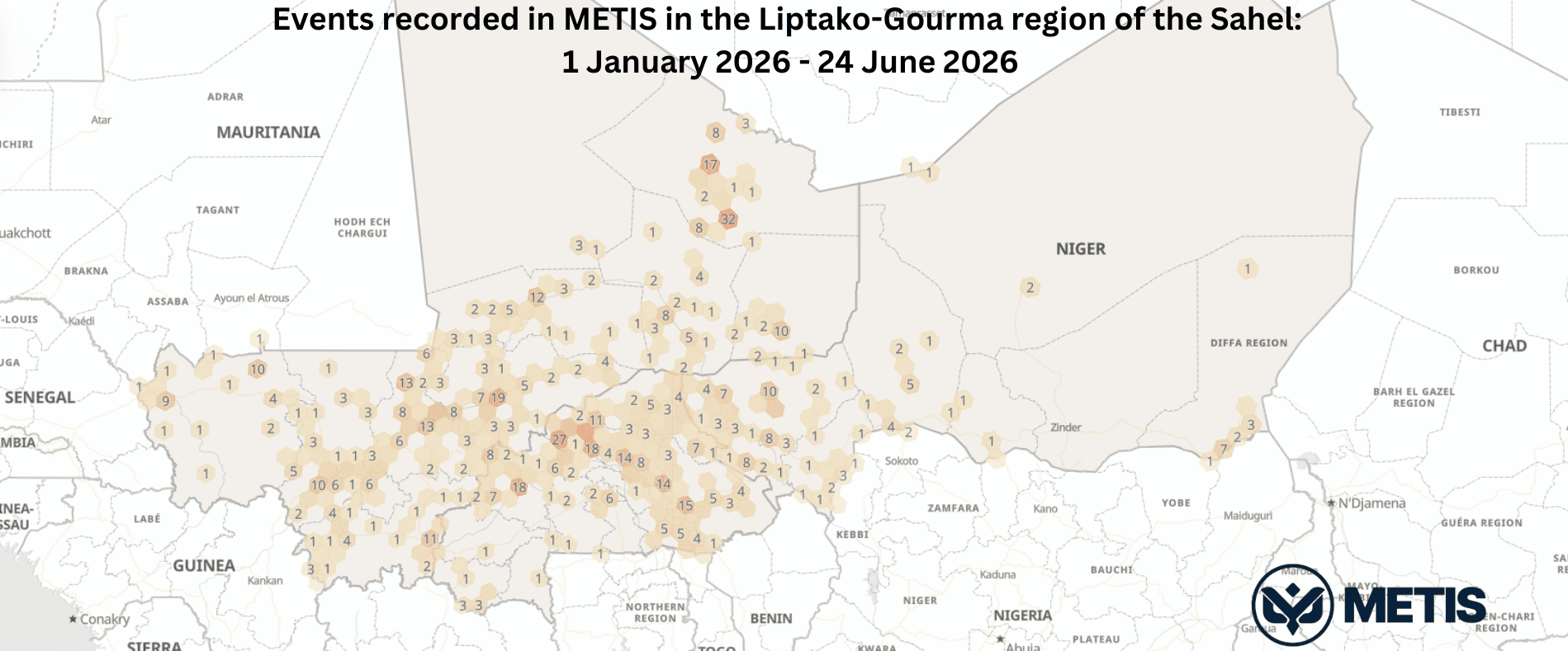
The first half of 2026 has been marked by major attacks in the Sahel, with insurgent groups expanding their reach and increasing the scale and sophistication of attacks. Insurgents have targeted major cities including Bamako (Mali) and Niamey (Niger), as well as critical infrastructure.

The first half of 2026 has been marked by major attacks in the Sahel, with insurgent groups expanding their reach and increasing the scale and sophistication of attacks. Insurgents have targeted major cities including Bamako (Mali) and Niamey (Niger), as well as critical infrastructure. These attacks were enabled in part by new alliances, evolving tactics, and the weakening of international counterterrorism efforts, enabling armed groups to consolidate gains and intensify pressure on states across the region.
While the Sahel covers a span of Africa, this report will focus on Mali, Niger and Burkina Faso. Where these countries converge is known as the Liptako-Gourma region, which has previously been analysed by Fenix Insight in a report from September 2024.
The growing reach of Sahelian insurgents
In April 2026, a large-scale coordinated offensive by the Tuareg-led Azawad Liberation Front (FLA) and the Al-Qaeda-affiliated Jama’at Nusrat al-Islam wal-Muslimin (JNIM) targeted multiple cities, overstretching the Malian and Africa Corps forces. The assault enabled significant insurgent gains in the north, including the reported capture of Kidal, while Gao, Mopti and Sévaré also came under attack. Facing mounting pressure, Africa Corps forces negotiated a withdrawal from several northern towns, including Kidal, Tessalit, and Tessit.
Further south, an SVBIED attack in Kati killed the Minister of Defence, dealing a severe blow to the governments command structure. Bamako and the international airport were also attacked. In the aftermath, JNIM organised a blockade on the capital, disrupting national and regional trade.
In Niger, on the 18th of June, JNIM attacked the Diori Hamani international airport in the capital leading to dozens of casualties. The airport had been previously attacked last January by Islamic State Sahel Province (ISSP), a rival to JNIM. Emboldened by their successes, Jihadist groups are escalating operations beyond rural strongholds to increasingly target urban centres and critical infrastructure.
These developments underscore the growing operational sophistication and coordination of insurgent groups and their ability to form pragmatic alliances, even with actors whose values and ideologies diverge from their own. This is exacerbated by limitations of the current security forces and the lack of significant support received by Africa Corps. All combined, the security and humanitarian situation is steadily worsening.
Shift towards more sophisticated weapons
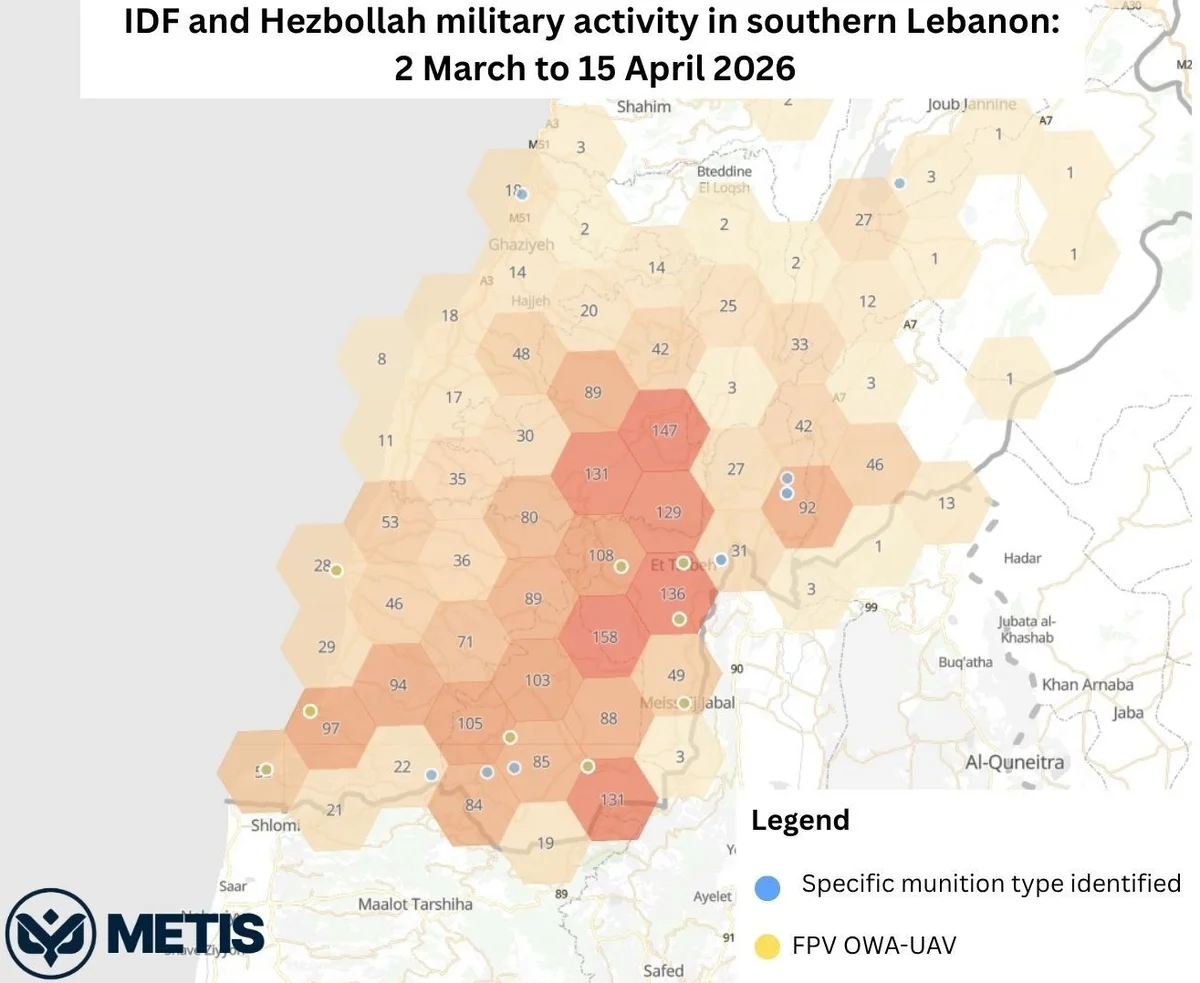
As with many other conflict areas across the world, the use of one-way attack FPV drones is increasing. These have been used by various groups throughout the Sahel to target government forces and the Africa Corps. While not at the scale of other conflicts, like Ukraine and Lebanon, it is expected that FPV drone attacks will increase in number. It is also likely that further developments will occur, such as the introduction of fibre-optic to counter electronic warfare, and swarm tactics that add to the high-speed motorised attacks currently favoured by insurgent groups.
These motorised attacks typically involve militants on motorcycles and trucks, which may have crew-served weapons mounted. Coupled with quick-moving personnel, the combined arms attacks seek to overwhelm defences before there is time to respond. This has been used against static targets, such as military bases and urban settlements, but also against convoys. In the case of convoys, mines or IEDs may be placed to stop the convoy, making it even more vulnerable.
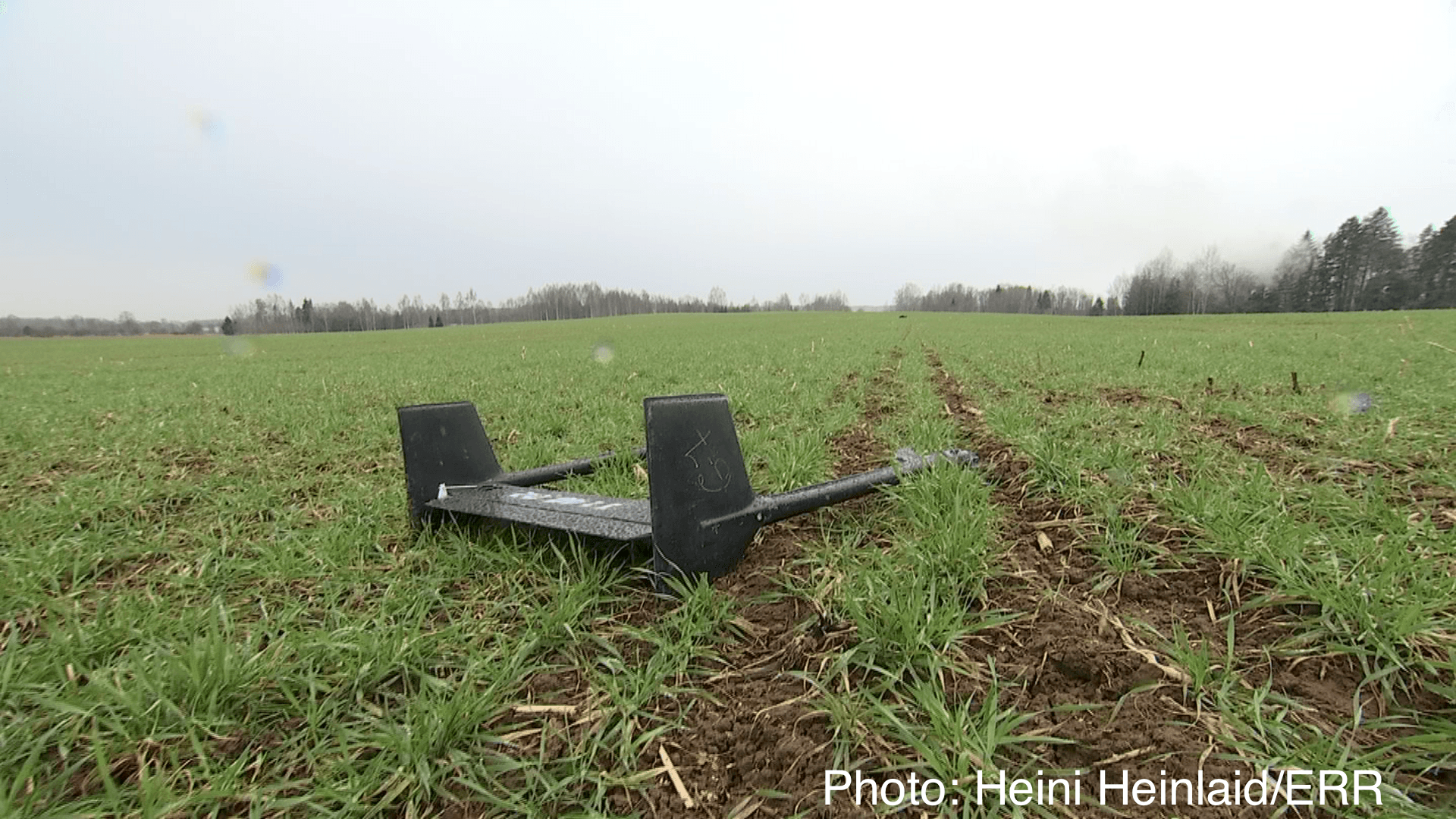
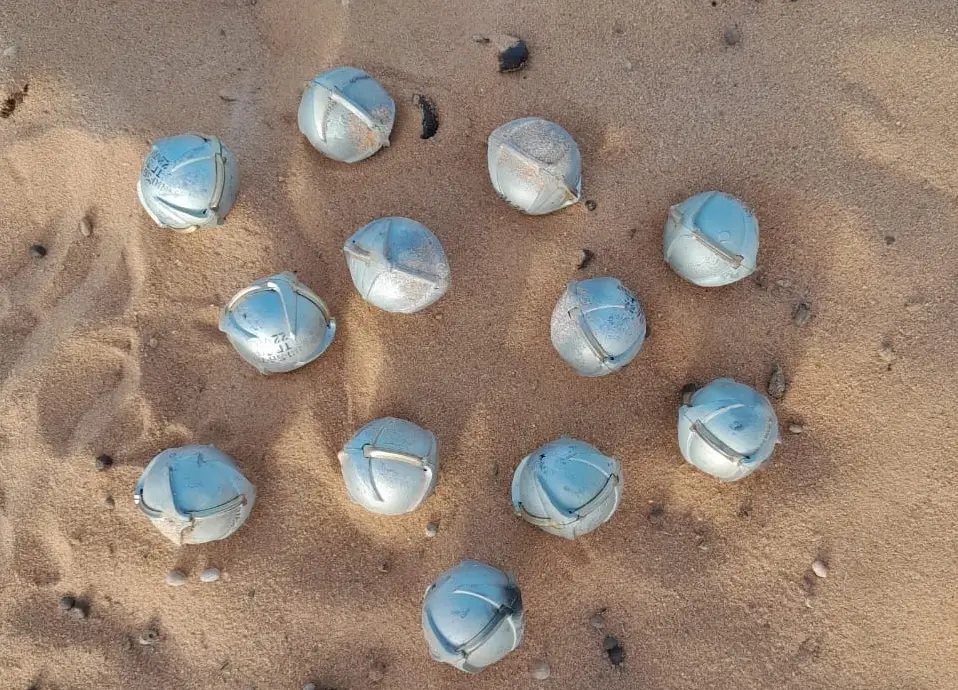
The increase in number and intensity of attacks by militant groups has led to a similar increase by government and Africa Corps forces. A crashed Russian one-way attack drone, believed to be a Garpiya-A1, was found in mid-May. The Garpiya-A1 is closely related to the Geran-2, infamous for its use by Russia against Ukraine, albeit from a different manufacturer. This attack was followed a week later by two strikes using ShOAB-0.5 submunitions near Timbuktu and Tadjmart, although it is unclear whether these were deployed directly by Malian government forces or the Russian Africa Corps. The most recent development was around 19 June, when a Lancet drone reportedly struck a vehicle near Timbuktu. The use of submunitions and more complex drones suggests an escalation in response to the militant attacks, underscoring the direness of the situation.
Geran-2 | ShOAB-0.5 | Lancet |
|---|---|---|
OWA-UAV | Submunition | OWA-UAV |
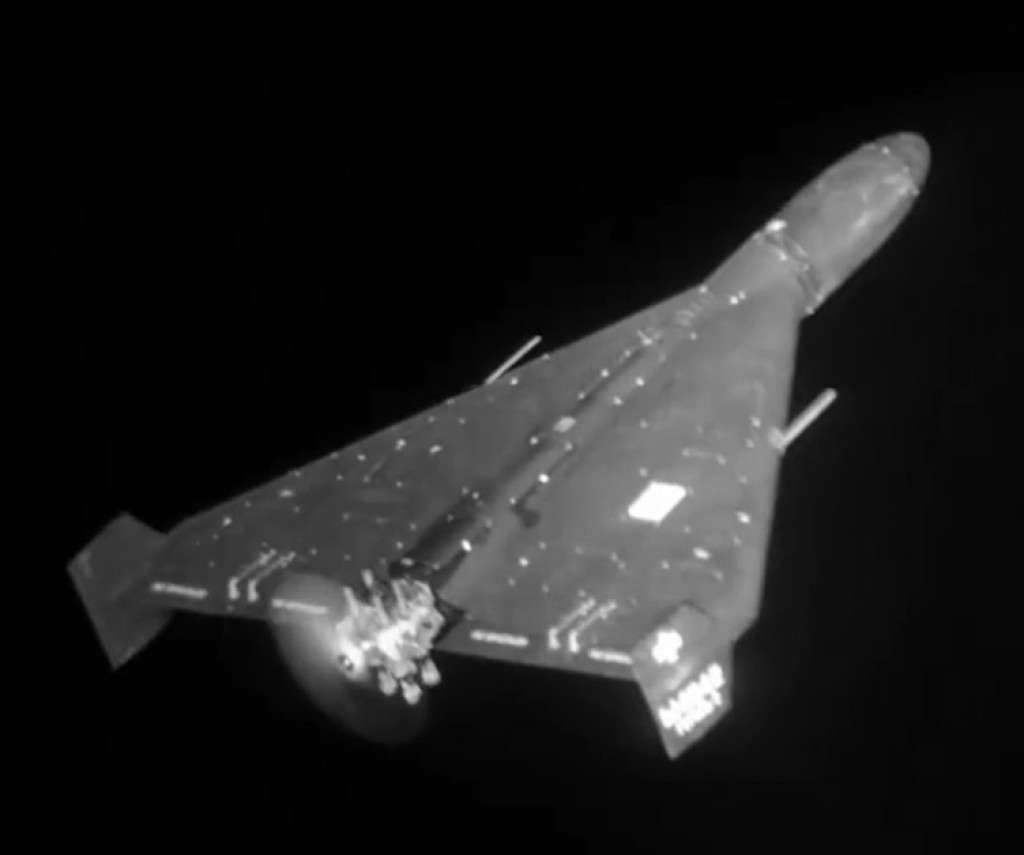 | 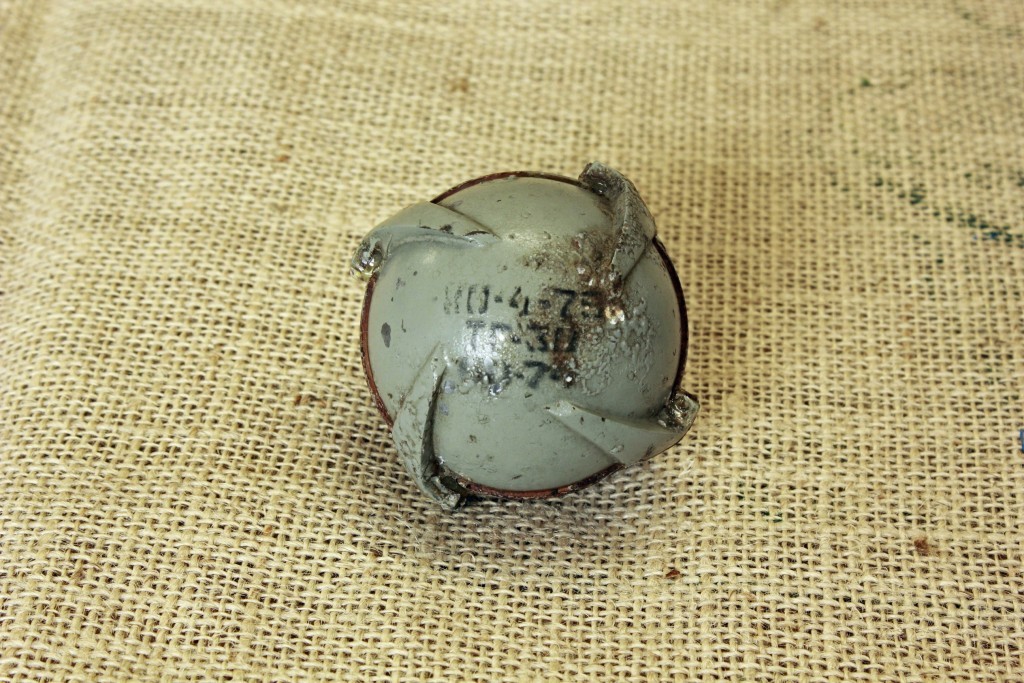 | 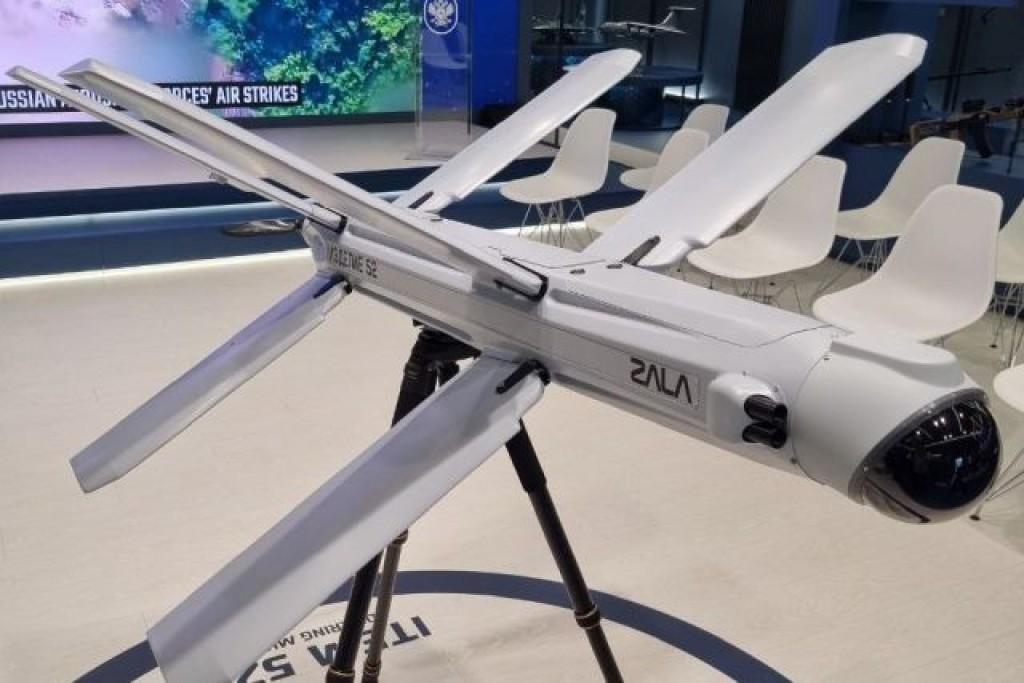 |
Erosion of internationally led counterterrorism efforts
Jihadist groups across Africa, such as JNIM, Al-Shabaab and Islamic State West Africa Province (ISWAP) are increasingly able to control more territory, conduct complex attacks on military and strategic targets, and threaten urban centres. Competition between jihadist groups, such as JNIM and ISSP, is further driving escalation. This competing dynamic is pushing them toward more visible and sophisticated operations, including attacks on strategic infrastructure and the increasing use of technologies such as armed drones.
This trend has been accelerated by the withdrawal of international actors. The departure of the United Nations Multidimensional Integrated Stabilization Mission in Mali (MINUSMA) in 2023 removed a key stabilising force, while Mali’s pivot to Russian support has prioritised military responses without addressing underlying drivers such as poverty and weak governance.
In rural areas, limited access to livelihoods and protection means that joining jihadist groups often provides both income and security, with recruitment driven more by necessity than ideology.
Meanwhile, Russian paramilitary involvement, marked by allegations of widespread abuses, has exacerbated civilian harm and deepened mistrust. Africa Corps themselves have taken losses during various attacks and ambushes, and with the significant operational drain of the war in Ukraine, there appears to be limited appetite for intense efforts from the forces in Africa. With recent reports of Africa Corps forces leaving their African military counterparts behind, this has further tarnished the reputation of Russia as a credible security partner.
Conclusion
The rise of jihadist forces in the Sahel - particularly in Mali - has been driven in part by the strategic alliance formed after the collapse of international stabilisation efforts, increase in sophisticated weaponry, and the vacuum left by the current military strategy of the government and Africa Corps.
Following the withdrawal of western security presences, Russia’s harder military approach has failed to prevent further instability, and allegations of human rights abuses have deepened local mistrust, supporting recruitment towards armed non-state actors.
Meanwhile, jihadist groups have grown more capable, using increasingly sophisticated weapons and tactics to mount stronger challenges to government forces. Together, these developments have helped shift momentum away from the state and toward non-state actors across the region, enabling jihadist groups to expand, adapt, and pose an increasingly transnational threat.
While conflict in Ukraine and across the Middle East and Iran captures most of the medias attention, it is important to remain aware of the increasing intensity, brutality, and development of conflict across various countries on the African continent. Fighting in the Liptako-Gourma region of the Sahel, Sudan, the Democratic Republic of Congo, Somalia, as well as other countries and regions is increasing instability, exacerbating humanitarian crises, and posing a long-term risk of the rise of Jihadist insurgent groups.
Fenix Insight welcome your use of our data, visualisations, analysis, and other information, but always with proper attribution and a link back to our website. Please read our Attribution Policy for further information.