
Beyond the headlines: recent developments across Africa, the Middle East & Asia
Beyond the headlines: recent developments across Africa, the Middle East & Asia
This SITREP shows a selection of events and munitions data for the last three months for countries stretching through: Africa; the Middle East; Central and Southeast Asia. The aim is to highlight the intensity and developments of instability, using data within METIS.


While Fenix Insight continues to track conflict events, as well as update and add relevant technical entries, for countries that dominate the headlines, we have also continued these efforts for countries which are less well reported on.
This SITREP shows a selection of events and munitions data for the last three months for countries stretching through: Africa; the Middle East; Central and Southeast Asia. The aim is to highlight the intensity and developments of instability, using data within METIS.
Ethiopia
The security situation in Ethiopia deteriorated as fighting resumed between federal forces and Tigrayan forces in August, marking the most serious escalation in northern Ethiopia since the 2022 peace agreement. While violence remains below the levels seen during the 2020-2022 Tigray war, recent military mobilisation, expanding opposition alliances, and fighting around key locations in Tigray have increased the risk of further escalation, including with nearby Eritrea.
As with many other conflicts, drones are increasing in quantity and variety. OWA FPV drones are starting to be deployed, along with larger designs like the YiHA-III and the Emirati dual-wing design – previously seen in the bordering country of Sudan.
Reportedly a Tigray People's Liberation Front (TPLF) ammunition depot was captured by Ethiopian forces in early October. This contained a large number and variety of munitions, including dispensers for AO-2.5RT submunitions, rockets, missiles and bombs etc. While these are now back in government hands, and would have been difficult for Tigrayan forces to deploy, they did present an opportunity for explosive harvesting and munition modification, which are now common occurrences in current conflicts with state and non-state actors.

Myanmar
Fighting between the military junta and resistance groups has continued across multiple regions, driving further displacement and civilian casualties. The junta sustained airstrikes and ground operations, while resistance forces continued drone strikes and attacks on military positions. Despite reinforcing key positions, the military has failed to reverse significant territorial losses. Humanitarian conditions remain severe, with around 4 million internally displaced people and more than 16 million in need of assistance. No meaningful progress towards a political settlement has been reported.
The use of OWA FPV drones within Myanmar had been reported on by Fenix Insight in September 2025, however their use appears far more common in the last several months. Many common munitions like 60ER mortar bombs, MG-2 projected grenades, MR-1 RPGs, MM6 mines and Carl-Gustaf projectiles are still prominent.

Saudi Arabia/ Yemen
Fighting between the Saudi-backed Yemeni government and Houthi forces intensified recently, ending a period of relative stability. The current escalation began with a major Houthi offensive starting in early August, advancing down the Red Sea coast, pushing back the Saudi-backed Presidential Leadership Council (PLC) forces. This initial success did not last long, with a PLC counter-offensive in early October.
Recent weeks have seen some of the most significant attacks on Saudi territory in years, raising concerns over a broader regional escalation and worsening humanitarian conditions. Meanwhile, ground conflict between Houthi forces and the PLC is occurring within Yemen itself.
Around the city of Taiz there is heavy fighting, with significant casualties on both sides. Houthi forces are using: OWA FPV drones; anti-tank guided missiles, like the Iranian Dehlaviyeh and 9M113; and mortars, to engage PLC ground forces in the open. The fighting does still often resort to close combat in hilly areas. Meanwhile Saudi Arabia is attempting to assist the PLC by launching air and ballistic missile strikes, including use of the Chinese DF-15, without committing ground troops.

Pakistan
In recent weeks, militant attacks have increased in Balochistan and Khyber Pakhtunkwa. The unrest is driven primarily by the long-running Baloch separatist insurgency and attacks by the Tehreek-e-Taliban Pakistan (TTP), both of which have intensified since the Taliban’s return to power in Afghanistan in 2021.
The insurgency Pakistan is facing is not technologically advanced, with the majority of threats being IEDs, RPGs, snipers and light machine guns. However, the use of drone-dropped munitions is increasing, predominantly being modified convention munitions like grenades and mortar bombs.

Conclusion
While the world's attention is often focused on the largest conflicts, many others continue to drive displacement, casualties, and instability with far less scrutiny. Tracking these developments remains essential to understanding the global security environment, identifying emerging risks, and responding effectively to evolving crises.
At Fenix Insight, we take a global view, monitoring both headline-making conflicts and those that receive far less attention. If you would like to discuss any of these situations in greater detail, please do not hesitate to get in touch.
Fenix Insight welcome your use of our data, visualisations, analysis, and other information, but always with proper attribution and a link back to our website. Please read our Attribution Policy for further information.

Related Articles

From wildfires to droughts: How extreme weather is reshaping the risks posed by Explosive Remnants of War

Imagery analysis of suspected UAE-origin drones in Iran and Sudan

The Sahel under pressure: Jihadist groups expand and adapt
Escalation by accident: The strategic risks of stray munitions in NATO airspace
Beyond the headlines: recent developments across Africa, the Middle East & Asia
Beyond the headlines: recent developments across Africa, the Middle East & Asia
This SITREP shows a selection of events and munitions data for the last three months for countries stretching through: Africa; the Middle East; Central and Southeast Asia. The aim is to highlight the intensity and developments of instability, using data within METIS.
While Fenix Insight continues to track conflict events, as well as update and add relevant technical entries, for countries that dominate the headlines, we have also continued these efforts for countries which are less well reported on.
This SITREP shows a selection of events and munitions data for the last three months for countries stretching through: Africa; the Middle East; Central and Southeast Asia. The aim is to highlight the intensity and developments of instability, using data within METIS.
Ethiopia
The security situation in Ethiopia deteriorated as fighting resumed between federal forces and Tigrayan forces in August, marking the most serious escalation in northern Ethiopia since the 2022 peace agreement. While violence remains below the levels seen during the 2020-2022 Tigray war, recent military mobilisation, expanding opposition alliances, and fighting around key locations in Tigray have increased the risk of further escalation, including with nearby Eritrea.
As with many other conflicts, drones are increasing in quantity and variety. OWA FPV drones are starting to be deployed, along with larger designs like the YiHA-III and the Emirati dual-wing design – previously seen in the bordering country of Sudan.
Reportedly a Tigray People's Liberation Front (TPLF) ammunition depot was captured by Ethiopian forces in early October. This contained a large number and variety of munitions, including dispensers for AO-2.5RT submunitions, rockets, missiles and bombs etc. While these are now back in government hands, and would have been difficult for Tigrayan forces to deploy, they did present an opportunity for explosive harvesting and munition modification, which are now common occurrences in current conflicts with state and non-state actors.
Myanmar
Fighting between the military junta and resistance groups has continued across multiple regions, driving further displacement and civilian casualties. The junta sustained airstrikes and ground operations, while resistance forces continued drone strikes and attacks on military positions. Despite reinforcing key positions, the military has failed to reverse significant territorial losses. Humanitarian conditions remain severe, with around 4 million internally displaced people and more than 16 million in need of assistance. No meaningful progress towards a political settlement has been reported.
The use of OWA FPV drones within Myanmar had been reported on by Fenix Insight in September 2025, however their use appears far more common in the last several months. Many common munitions like 60ER mortar bombs, MG-2 projected grenades, MR-1 RPGs, MM6 mines and Carl-Gustaf projectiles are still prominent.
Saudi Arabia/ Yemen
Fighting between the Saudi-backed Yemeni government and Houthi forces intensified recently, ending a period of relative stability. The current escalation began with a major Houthi offensive starting in early August, advancing down the Red Sea coast, pushing back the Saudi-backed Presidential Leadership Council (PLC) forces. This initial success did not last long, with a PLC counter-offensive in early October.
Recent weeks have seen some of the most significant attacks on Saudi territory in years, raising concerns over a broader regional escalation and worsening humanitarian conditions. Meanwhile, ground conflict between Houthi forces and the PLC is occurring within Yemen itself.
Around the city of Taiz there is heavy fighting, with significant casualties on both sides. Houthi forces are using: OWA FPV drones; anti-tank guided missiles, like the Iranian Dehlaviyeh and 9M113; and mortars, to engage PLC ground forces in the open. The fighting does still often resort to close combat in hilly areas. Meanwhile Saudi Arabia is attempting to assist the PLC by launching air and ballistic missile strikes, including use of the Chinese DF-15, without committing ground troops.
Pakistan
In recent weeks, militant attacks have increased in Balochistan and Khyber Pakhtunkwa. The unrest is driven primarily by the long-running Baloch separatist insurgency and attacks by the Tehreek-e-Taliban Pakistan (TTP), both of which have intensified since the Taliban’s return to power in Afghanistan in 2021.
The insurgency Pakistan is facing is not technologically advanced, with the majority of threats being IEDs, RPGs, snipers and light machine guns. However, the use of drone-dropped munitions is increasing, predominantly being modified convention munitions like grenades and mortar bombs.
Conclusion
While the world's attention is often focused on the largest conflicts, many others continue to drive displacement, casualties, and instability with far less scrutiny. Tracking these developments remains essential to understanding the global security environment, identifying emerging risks, and responding effectively to evolving crises.
At Fenix Insight, we take a global view, monitoring both headline-making conflicts and those that receive far less attention. If you would like to discuss any of these situations in greater detail, please do not hesitate to get in touch.
Fenix Insight welcome your use of our data, visualisations, analysis, and other information, but always with proper attribution and a link back to our website. Please read our Attribution Policy for further information.
Related Articles
From wildfires to droughts: How extreme weather is reshaping the risks posed by Explosive Remnants of War
Imagery analysis of suspected UAE-origin drones in Iran and Sudan
The Sahel under pressure: Jihadist groups expand and adapt
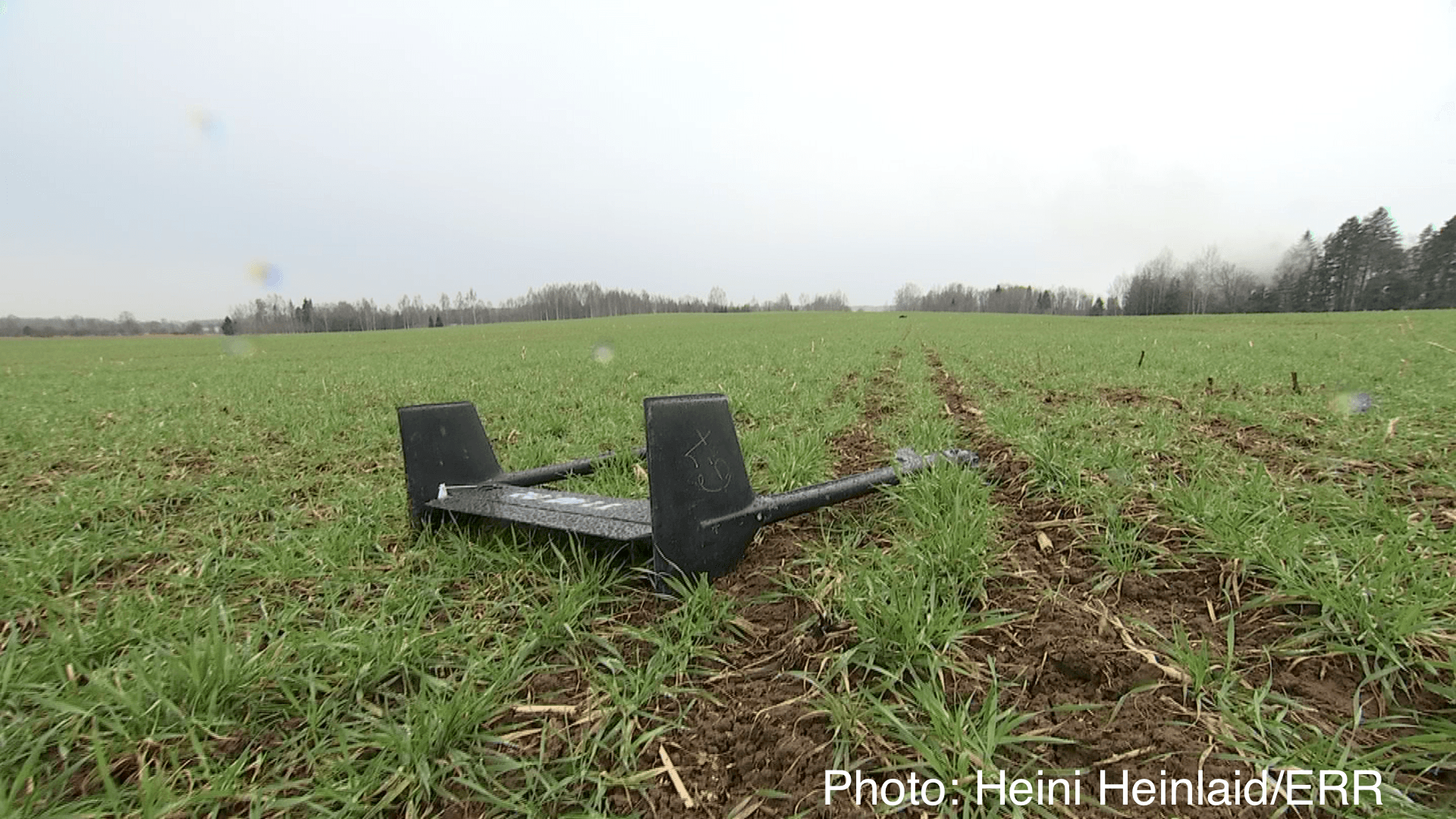
Escalation by accident: The strategic risks of stray munitions in NATO airspace