From wildfires to droughts: How extreme weather is reshaping the risks posed by Explosive Remnants of War
From wildfires to droughts: How extreme weather is reshaping the risks posed by Explosive Remnants of War
Extreme weather is increasing the risks posed by unexploded ordnance across Europe for emergency responders and the public. These trends highlight the need for greater awareness, continued research into how munitions age, and strengthened EOD and emergency-response planning.

While Europeans regularly deal with large quantities of unexploded ordnance (UXO) left behind by successive world wars and other major conflicts, these explosive remnants of war (ERW) are generally managed through routine detection and disposal by specialist personnel.
In recent years, however, increasingly extreme weather conditions linked to climate change, including prolonged droughts and wildfires, have exacerbated the risks posed by UXO. These conditions can expose, displace or destabilise previously buried ordnance, increasing the likelihood of discovery and, in some cases, accidental detonation. In turn, this complicates emergency response operations and increases the likelihood of public encounters with hazardous items.
Wildfires
The summer of 2026 saw severe wildfires across France, Belgium, Germany and the Netherlands, many of them occurring in areas heavily affected by fighting during the First and Second World Wars. Notably, all four countries reported incidents in which UXO complicated firefighting operations.
Wildfires can significantly increase the ERW threat by removing vegetation and topsoil, exposing previously buried munitions. Intense heat can also trigger detonations, increasing risks to firefighters and further complicating suppression efforts. Consequently, Explosive Ordnance Disposal (EOD) teams are often required to operate alongside firefighting units to identify, assess and dispose of newly exposed hazards.
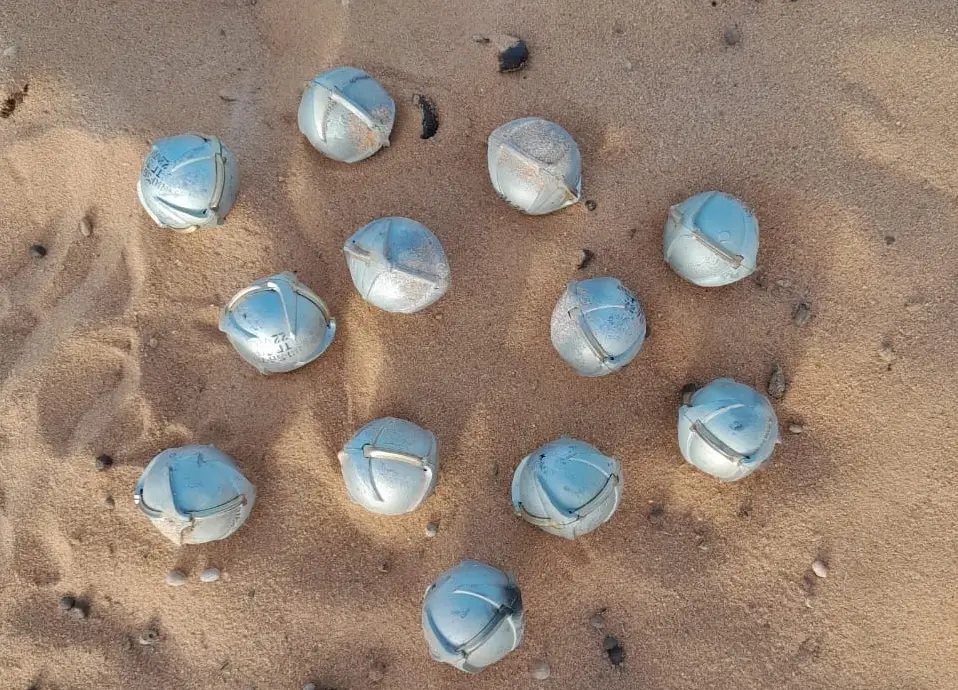
In France, the issue was particularly evident during the August wildfires near La Porge. Firefighters reported hearing hundreds of detonations while battling the blaze. Following containment, authorities recovered approximately 300 projectiles and 100 mortar bombs exposed by the fire, while one evacuated house was damaged by a munition detonating. The incident highlighted the dual challenge posed by wildfires in historically contaminated areas: the increased operational risk to responders from exposed or detonating ordnance, and the significant extent of wartime contamination that can remain buried until environmental conditions expose it.
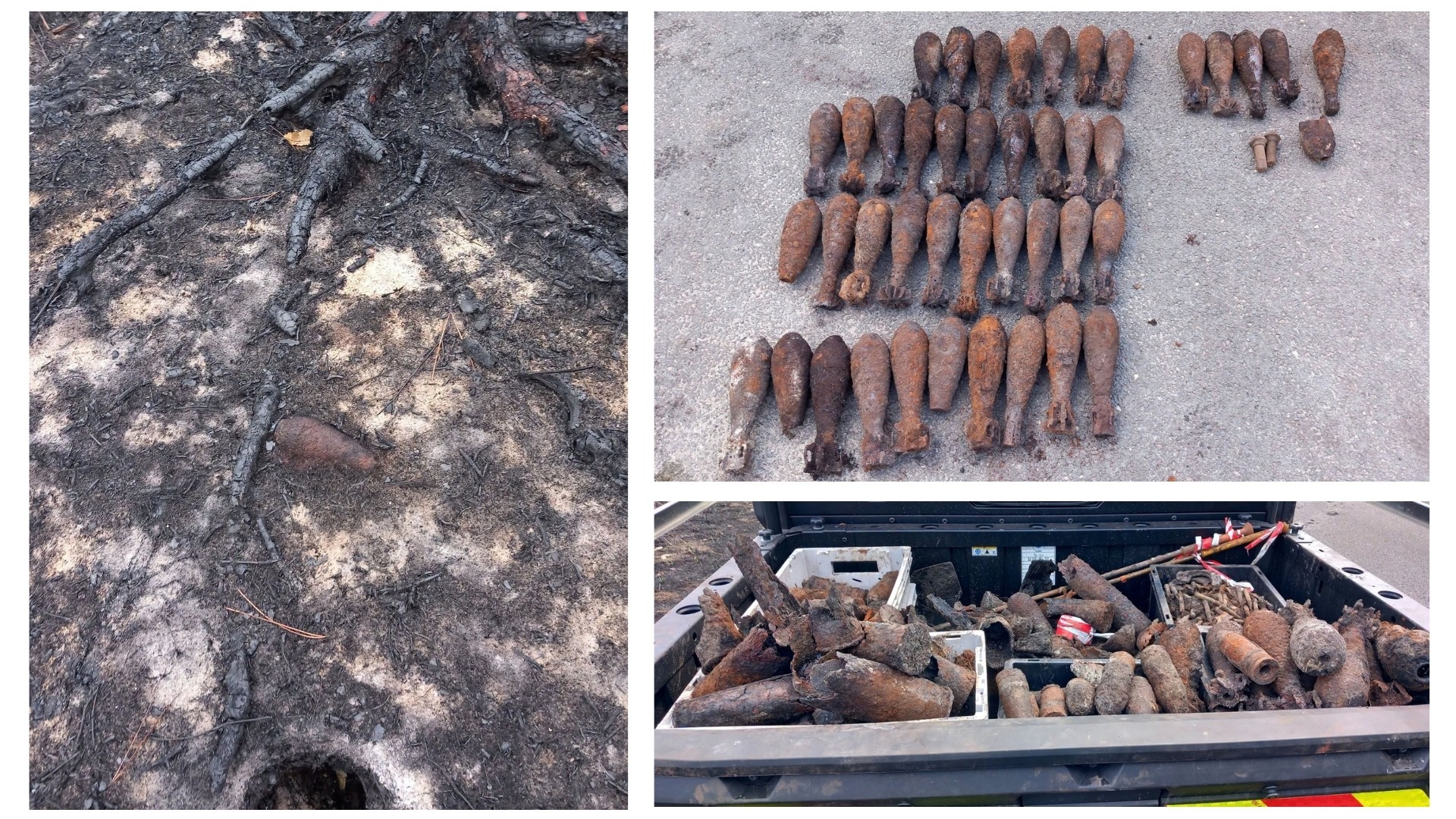
Photos from the French demining agency shared here.
Beyond historic battlefields, wildfires can also threaten ammunition storage facilities, as demonstrated by the 2023 wildfire-related explosions at an ammunition depot in Greece. Such incidents highlight the risks posed by wildfires, both through the exposure of legacy ERW and the potential initiation of large-scale events at explosive storage sites. As wildfire activity increases across Europe, EOD support may become an increasingly important component of firefighting operations.
Drought
Heatwaves and drier summers in Europe are causing water levels to drop to historic lows in rivers such as the Danube, uncovering previously submerged munitions and vessels on the riverbed and along riverbanks. In 2026, there have been many reports of such discoveries across the continent. In Slovakia, a British naval mine dating from World War II was exposed by the lower water levels, necessitating its removal and destruction. Further south, munitions have been discovered in Hungarian towns and cities on the banks of the Danube: anti-tank mines and grenades, artillery shells, and air-delivered bombs were reported in Budapest, and naval mines and a medieval cannonball in Kisoroszi. A 500-pound aerial bomb was spotted and removed from the Rhine near Cologne in Germany, whilst in the Netherlands, a significant increase in reports of suspected explosives along riverbanks has been noted by the authorities.
The exposure of unexploded ordnance poses a hazard to members of the public, who are now more likely to encounter these items. Dutch police note an increase in reports of discoveries during weekends, when more people are likely to be outdoors and near riverbanks. Authorities in the affected countries have issued warnings to the public advising of the dangers of handling such discoveries, although such warnings are not always heeded: in Hungary a suspected projectile went missing between the time of its discovery and police attending the scene, leading to a criminal investigation being launched.
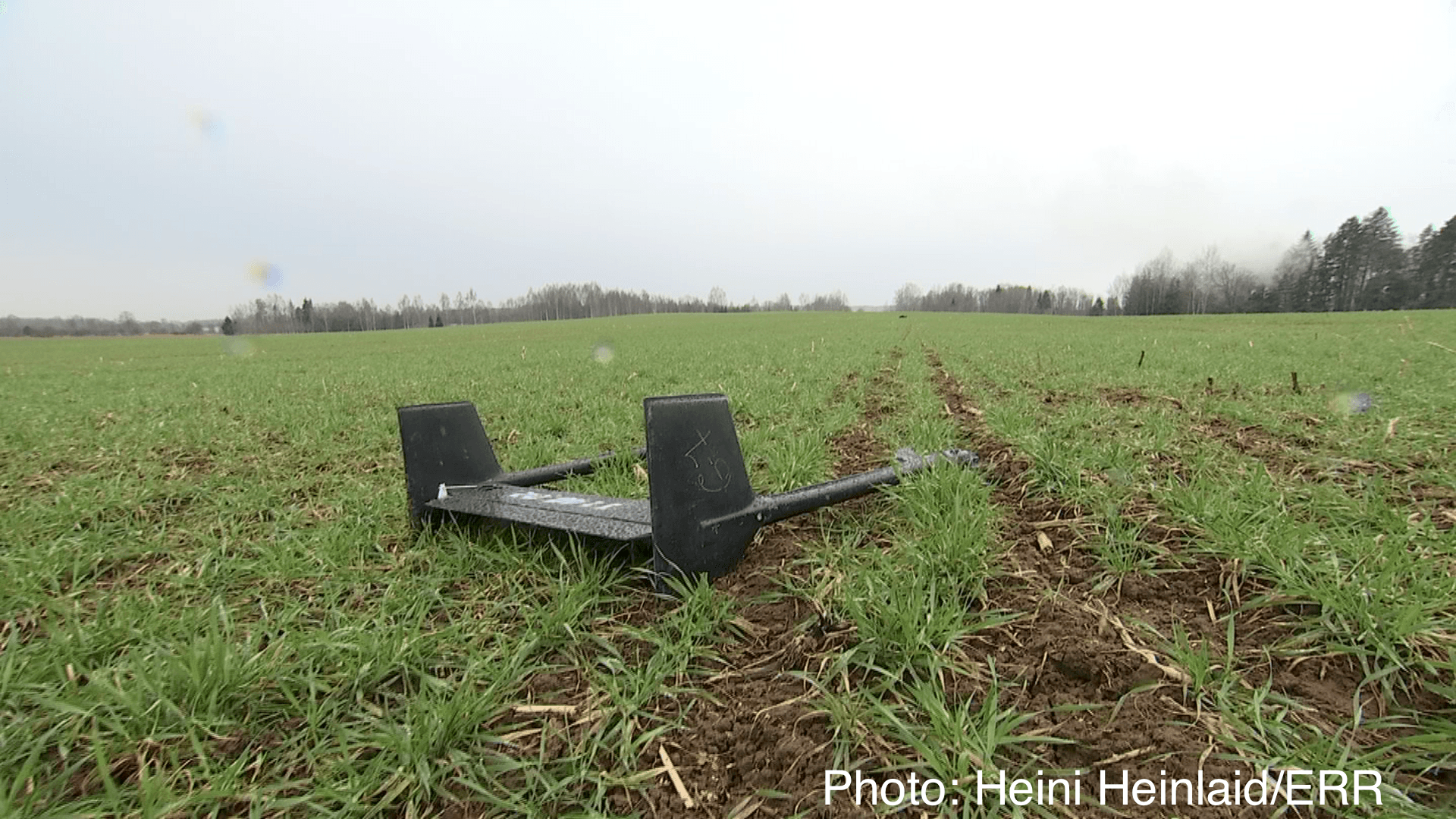
While less widely reported during the period, flooding and coastal erosion can also displace munitions from their original locations and transport them into previously unaffected areas. Storm surges and coastal erosion have previously exposed wartime ordnance on beaches and shorelines across Europe. As severe weather events become more common, similar incidents may occur with greater frequency.
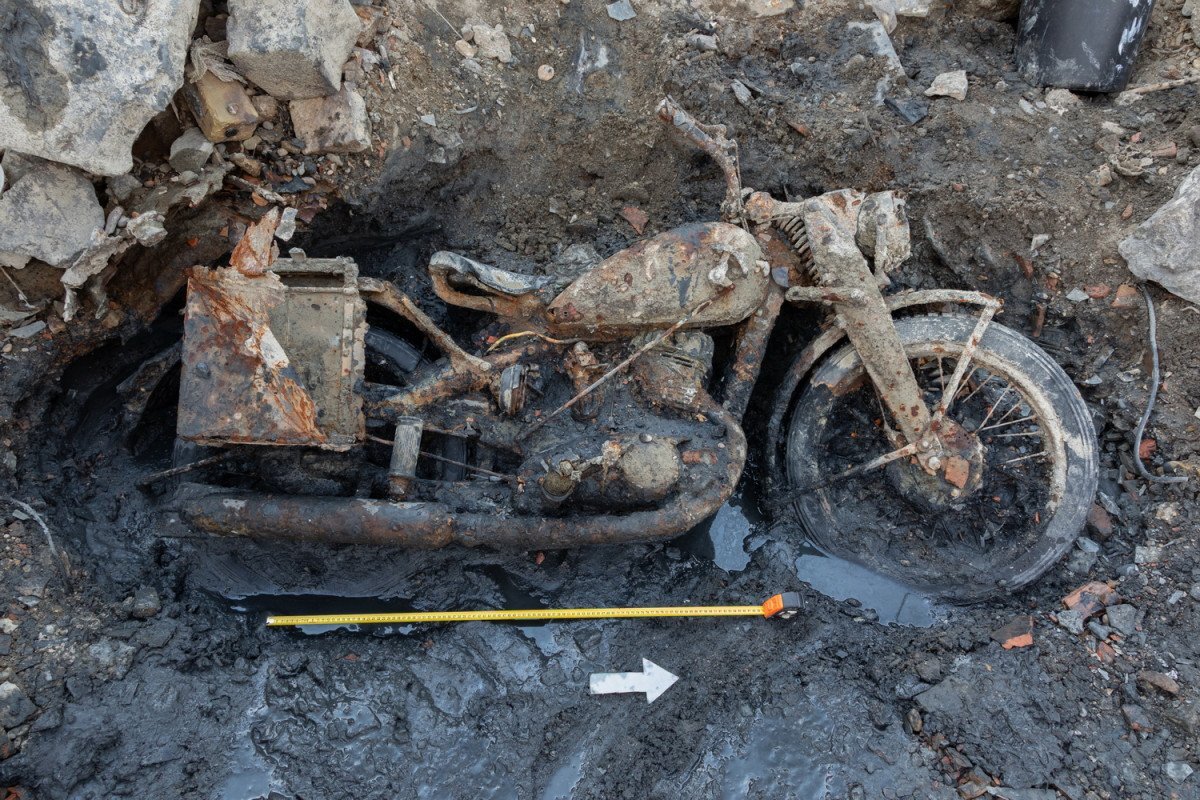
Photo from the Museum and Institution of Military History shared here.
The importance of understanding how munitions age in various environmental situations
The condition and behaviour of a munition can vary significantly depending on where it has been located. For example, a munition that has remained encased in clay may remain well-preserved, whereas one exposed to prolonged moisture in forest soil may have deteriorated. However, if that same munition has subsequently been subjected to intense heat from a wildfire, it may become increasingly unstable and present a greater hazard. Its external appearance may also have changed significantly, making identification more difficult and increasing the risk of misclassification or mishandling. Raising awareness of these hazards with emergency services and the public is essential to ensuring that ERW are recognised, treated with appropriate caution, and reported to the relevant authorities.
As extreme weather alters the environmental conditions to which munitions are exposed, understanding the ageing processes that affect ERW is becoming increasingly important. While historical research and legacy datasets continue to provide valuable insights into munition degradation and behaviour, they may not fully reflect the conditions associated with more frequent and severe droughts, wildfires, flooding and temperature extremes. Consequently, there is a growing need for ongoing research to assess how changing environmental factors influence the stability, detectability and hazards associated with ageing ordnance.
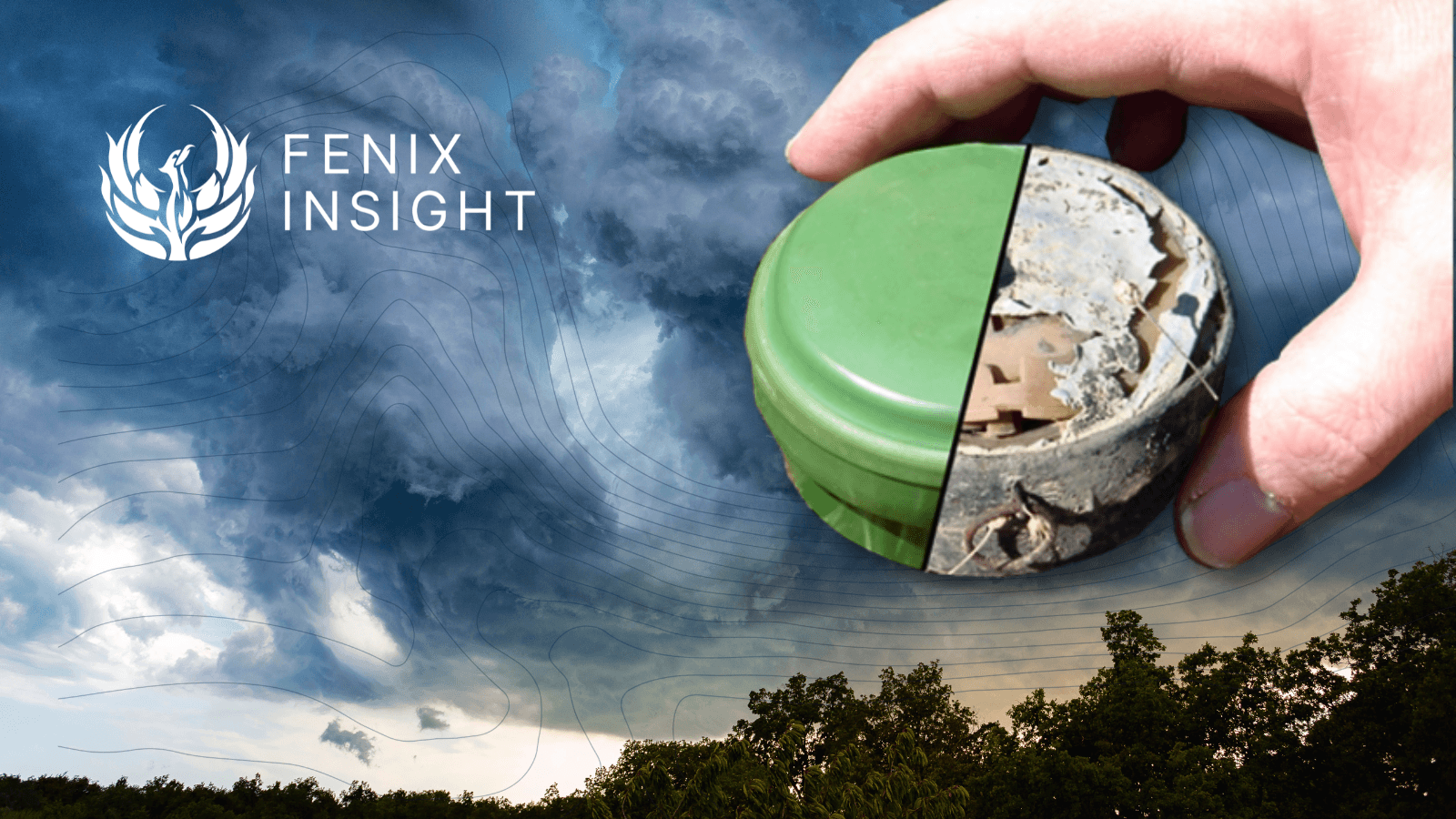
Fenix Insight has extensive experience in assessing how environmental conditions influence the condition, detectability and behaviour of munitions. Research was conducted as part of the Falkland Island mine-clearance programme (2009 to 2020), a three year study funded by the US State Department looking to understand the aging process and the range of implications for the various components of mine action (2010), work examining the effects of ageing on ammunition in underwater environments (2024), and technical assessments of ageing unexploded submunitions in Lao PDR (2025). Such studies provide valuable evidence to support risk assessment, operational planning and the development of future ERW management strategies under changing climatic conditions.
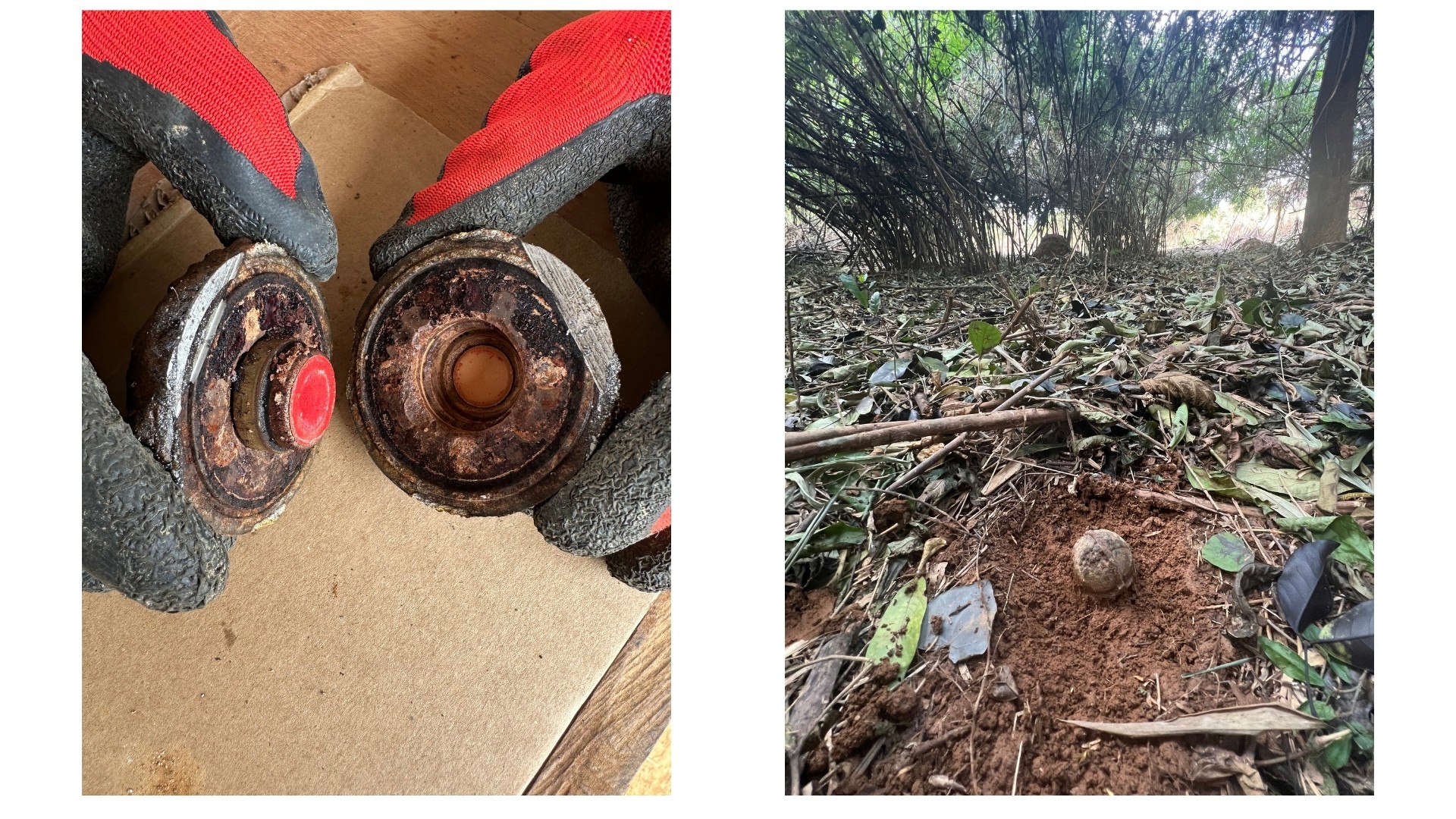
Photos taken by Fenix Insight as part of the technical assessments of ageing unexploded submunitions in Lao PDR (2025).
Conclusion
The events observed during the summer of 2026 demonstrate how increasingly frequent and severe extreme weather can increase uncertainty and amplify the risks posed by ERW. Wildfires have exposed and, in some cases, initiated munitions in historically contaminated areas, while drought conditions have revealed ordnance hidden in rivers, lakes and other water bodies. These incidents have increased the burden on EOD teams, complicated emergency response operations and heightened the likelihood of members of the public encountering hazardous items.
As climate change continues to alter the environments in which munitions have remained for decades, the condition, behaviour and detectability of UXO may become increasingly difficult to predict. Effective risk management will require continued monitoring, public awareness initiatives and further research into how changing environmental conditions affect ageing ordnance. Developing this understanding will be essential to ensuring that EOD capabilities and emergency response procedures remain effective in the face of evolving climate-related challenges.
Fenix Insight welcome your use of our data, visualisations, analysis, and other information, but always with proper attribution and a link back to our website. Please read our Attribution Policy for further information.