This project combined field disassembly and technical assessment of submunitions in Lao PDR to deliver evidence-based insights that will improve clearance prioritisation, operational efficiency, and safety for affected communities.
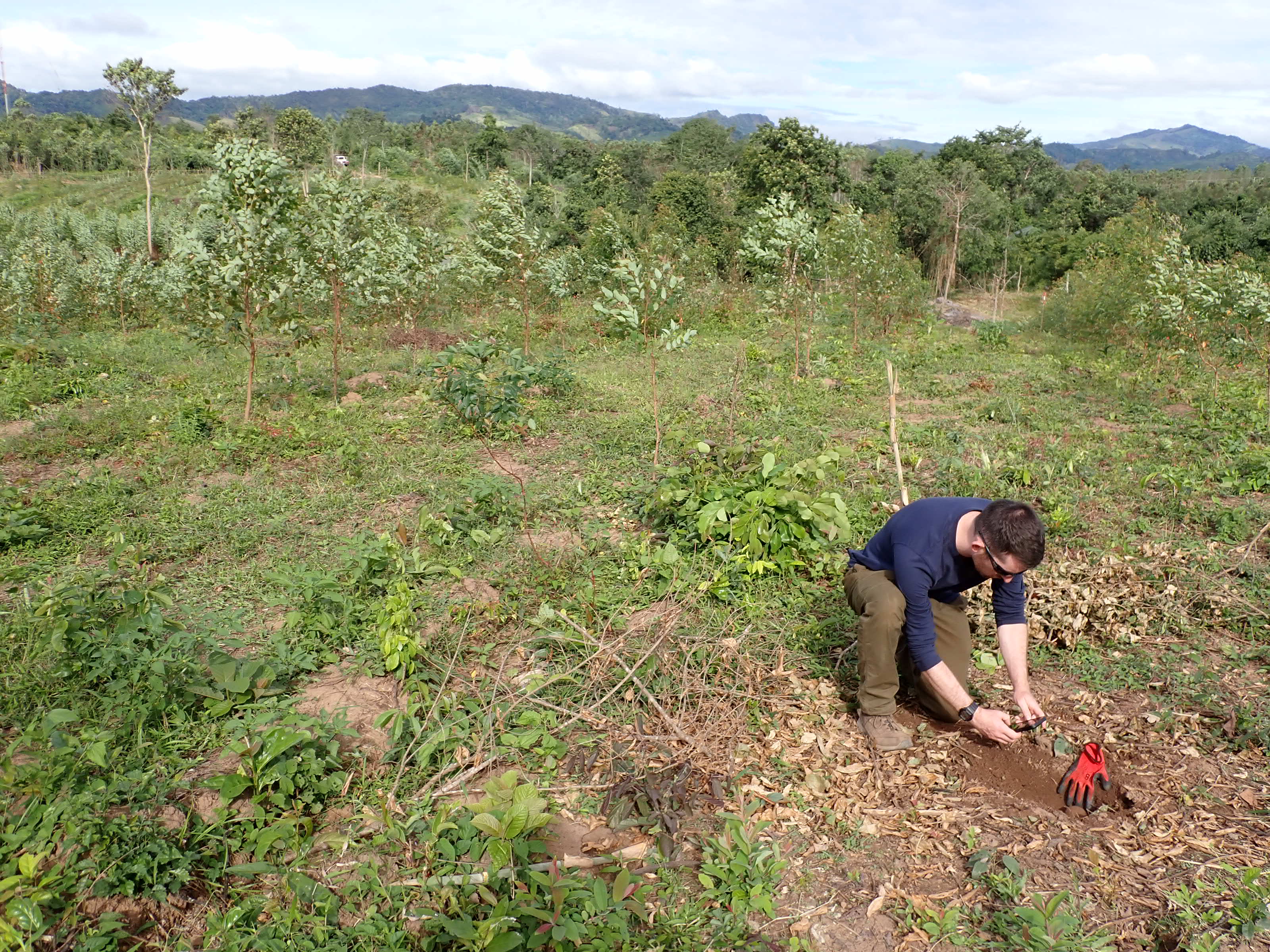
Exploring Residual Risk
Analysis of unexploded submunitions along the former Ho Chi Minh trail in Lao PDR
Decades after the Vietnam War, unexploded submunitions continue to pose a risk to communities living and working along the former Ho Chi Minh Trail in Lao PDR. This study explores the condition of these legacy munitions through hands-on analysis and technical assessment, helping to better understand the real level of danger they present. By turning uncertainty into evidence, it supports safer, more informed decisions in mine action and contributes to protecting both local populations and clearance teams.
The background of unexploded ordnance on the Ho Chi Minh trail
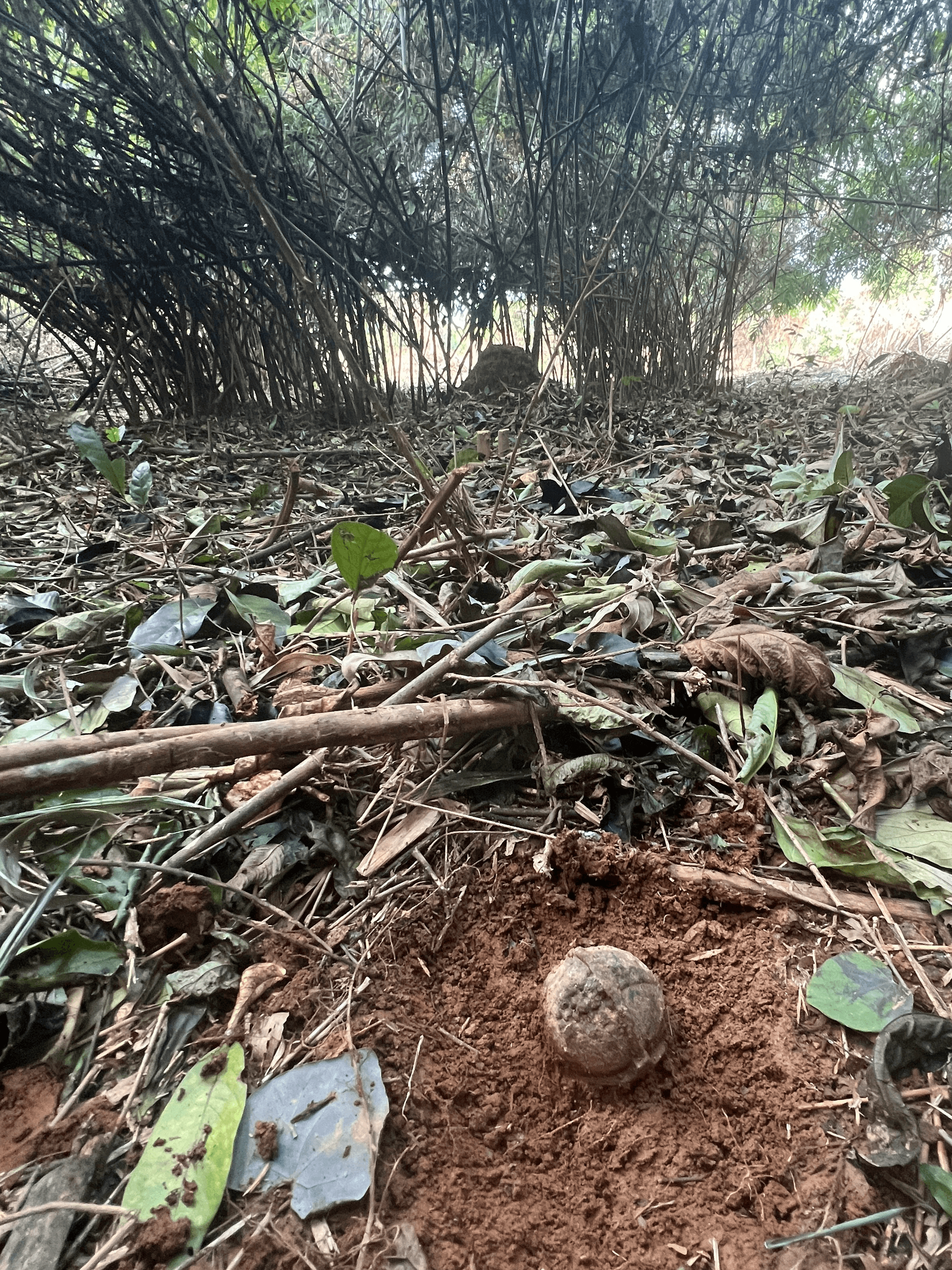
The Vietnam war, also known as the Second Indochina War, was a conflict between North and South Vietnam, and their respective allies. While this conflict was centred in Vietnam, a vast logistics network called the Ho Chi Minh trail stretched through Lao PDR and Cambodia. From 1964 to 1973, this trail was subject to intense bombing by the US armed forces. It is estimated that 270 million submunitions were dropped on Lao PDR alone, with large quantities of unexploded ordnance remaining to this day along the former Ho Chi Minh trail and other target areas.
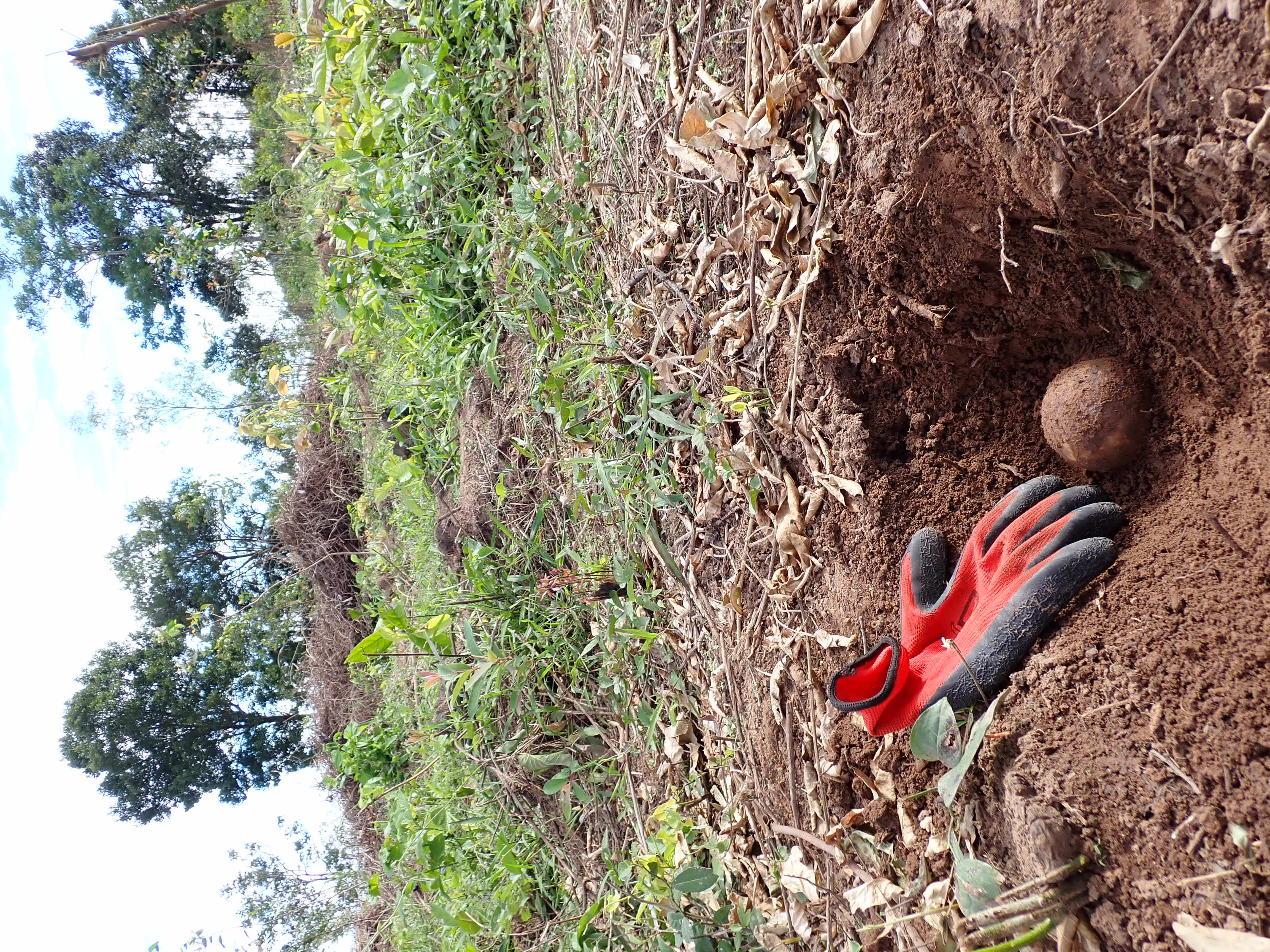
In recent years, there has been considerable uncertainty over the condition of this unexploded ordnance. The perception and treatment of risk vary substantially between different stakeholders. Humanitarian mine action organisations, tasked with locating and clearing the submunitions, are understandably risk-averse and tend to enforce a ‘no-move’ policy. Meanwhile farmers, who routinely encounter these items, often remove items from their fields by hand. This is partly due to a perception of familiarity, but also necessity, since humanitarian mine action assets are unable to respond to each and every incident. Accidents, although thankfully rare now, are often unexplained and lead to further uncertainty regarding the status of the munitions.
 |  |
|---|
What is the residual risk of the unexploded ordnance in Lao PDR?
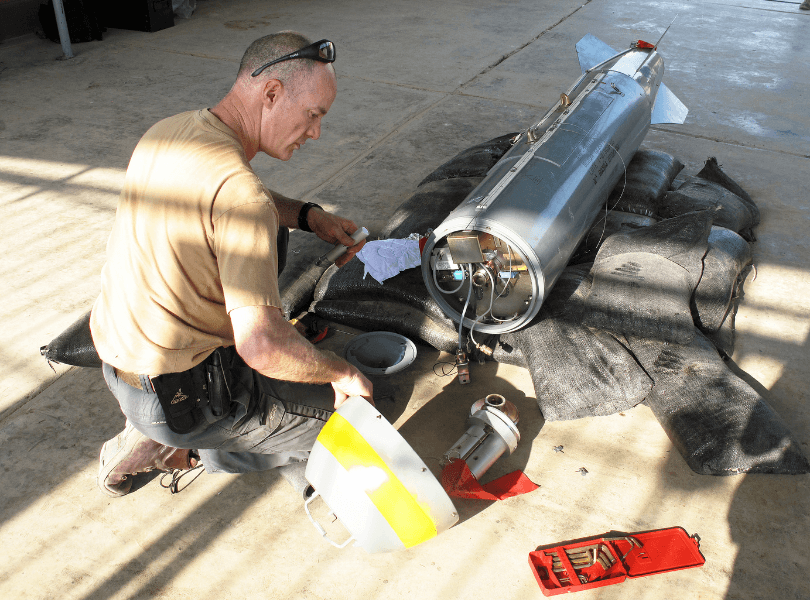
Fenix Insight was contracted via a UN agency to establish the residual risk from these submunitions to the civilian population and clearance personnel. This would require the production of clear evidence, involving the disassembly and examination of unexploded ordnance; a task that has been considered far too dangerous to undertake up until now.
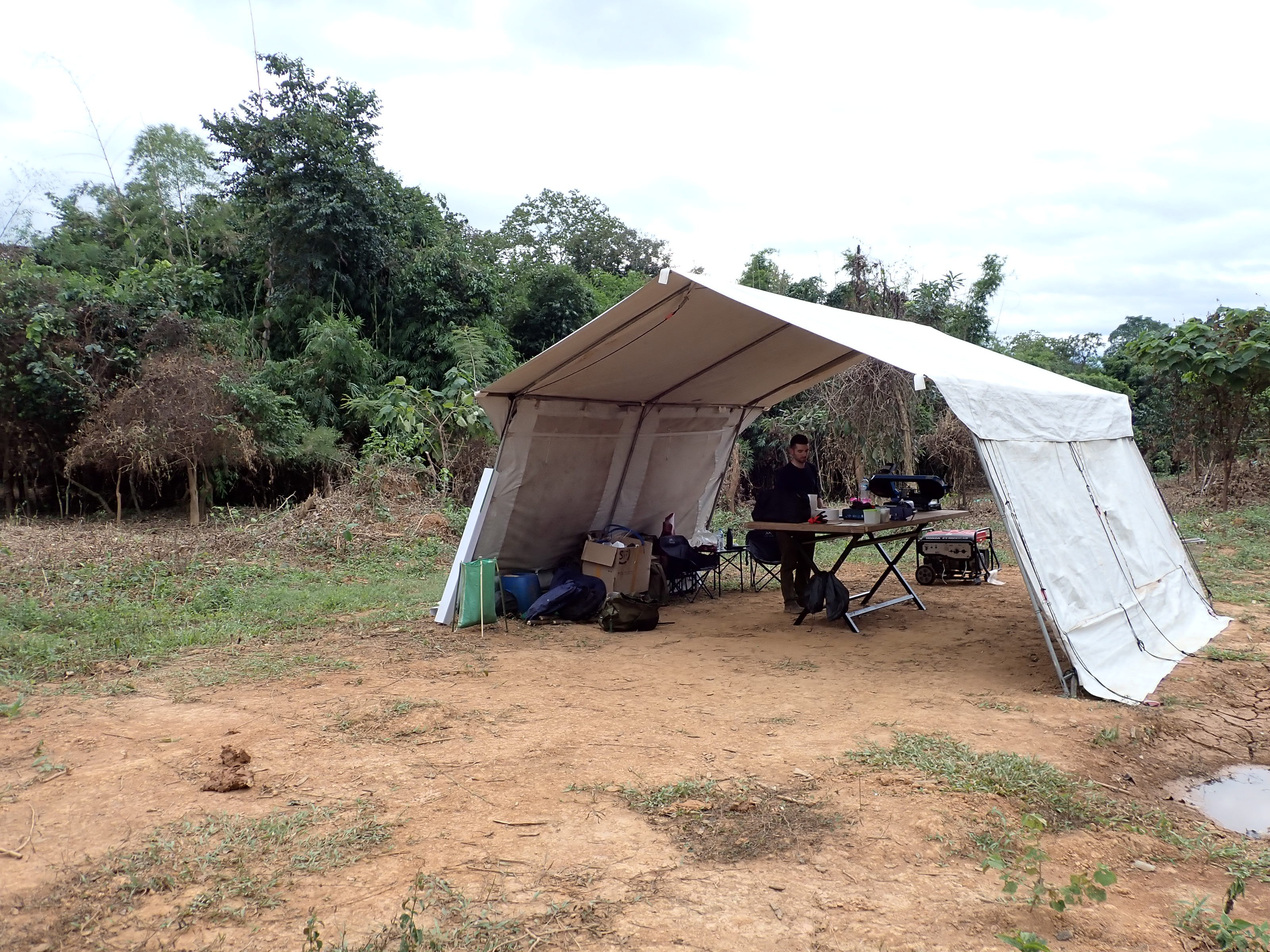
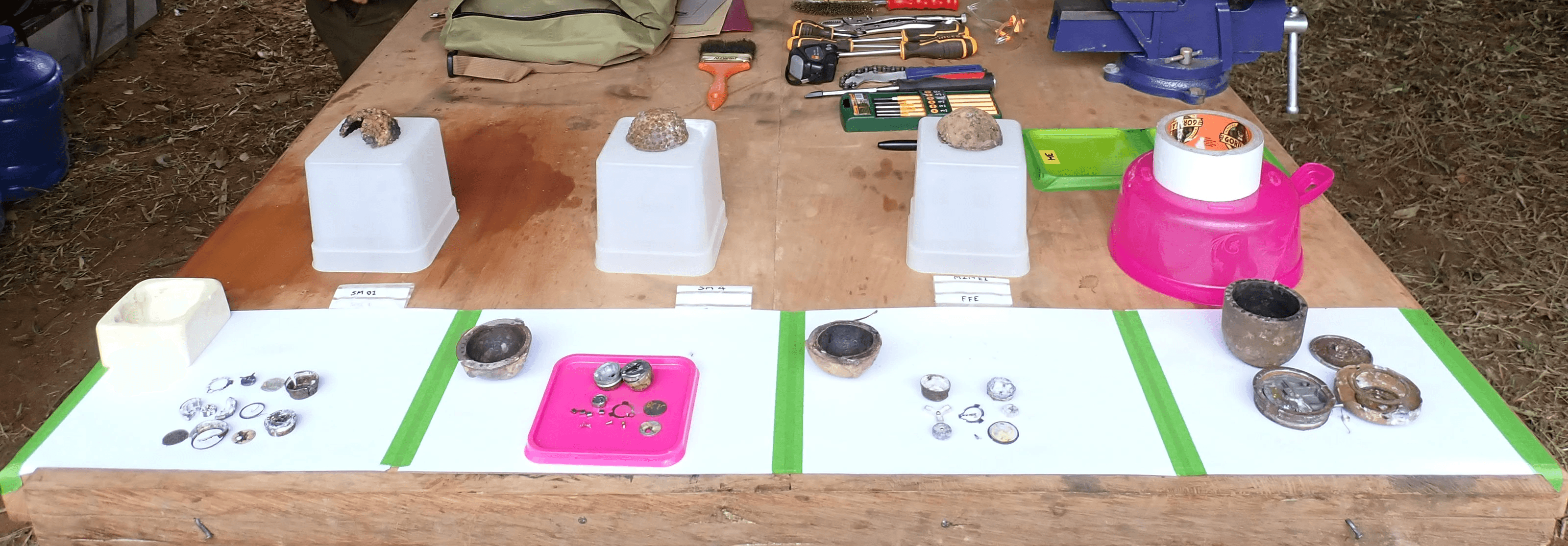
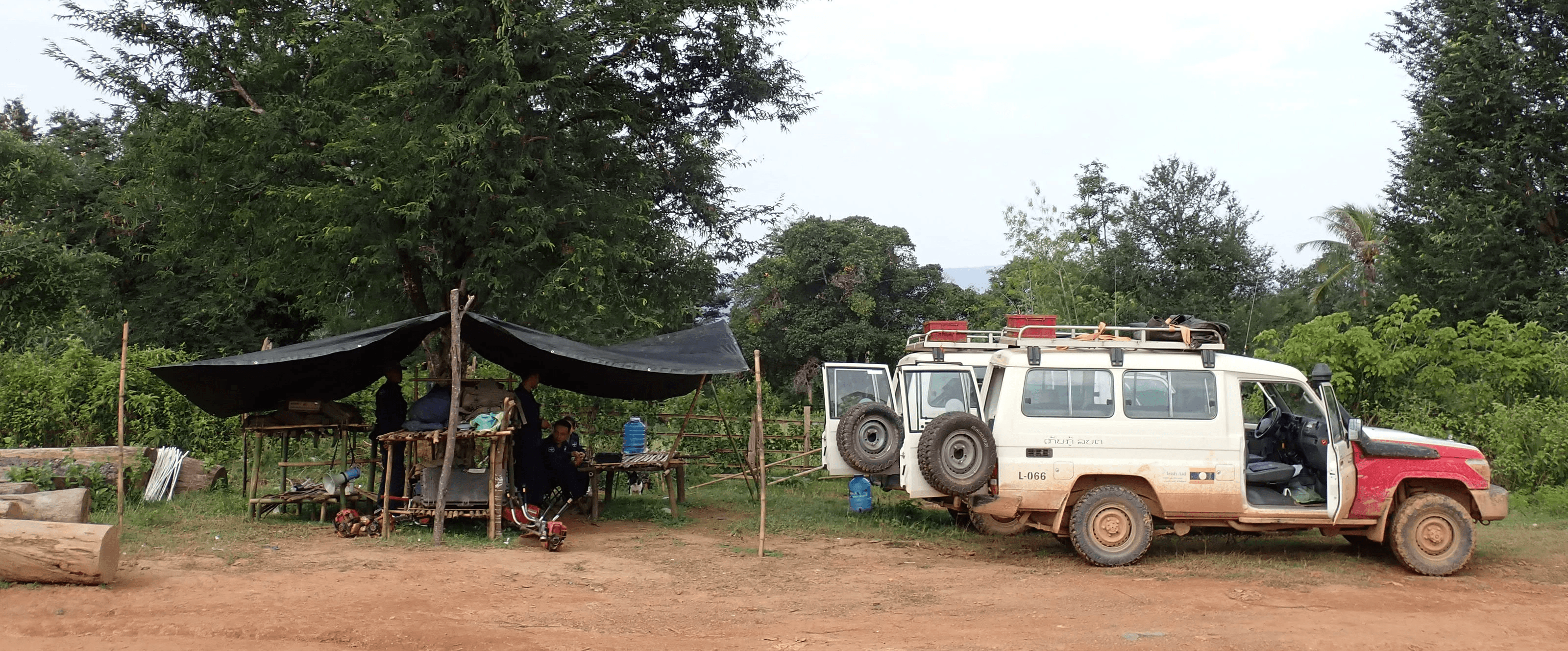
A 2-person team deployed, with support from The HALO Trust, employing the various safety, quality and environmental processes that are embedded within the Fenix Insight management system. This team disassembled multiple unexploded submunition variants at different sites, allowing assessment of internal components that have not been seen in more than 60 years.
The munitions evaluated were all of the Bomb Live Unit (BLU) series, the exact designators being:
BLU-3
BLU-24
BLU-26
BLU-36/BLU-59
 | 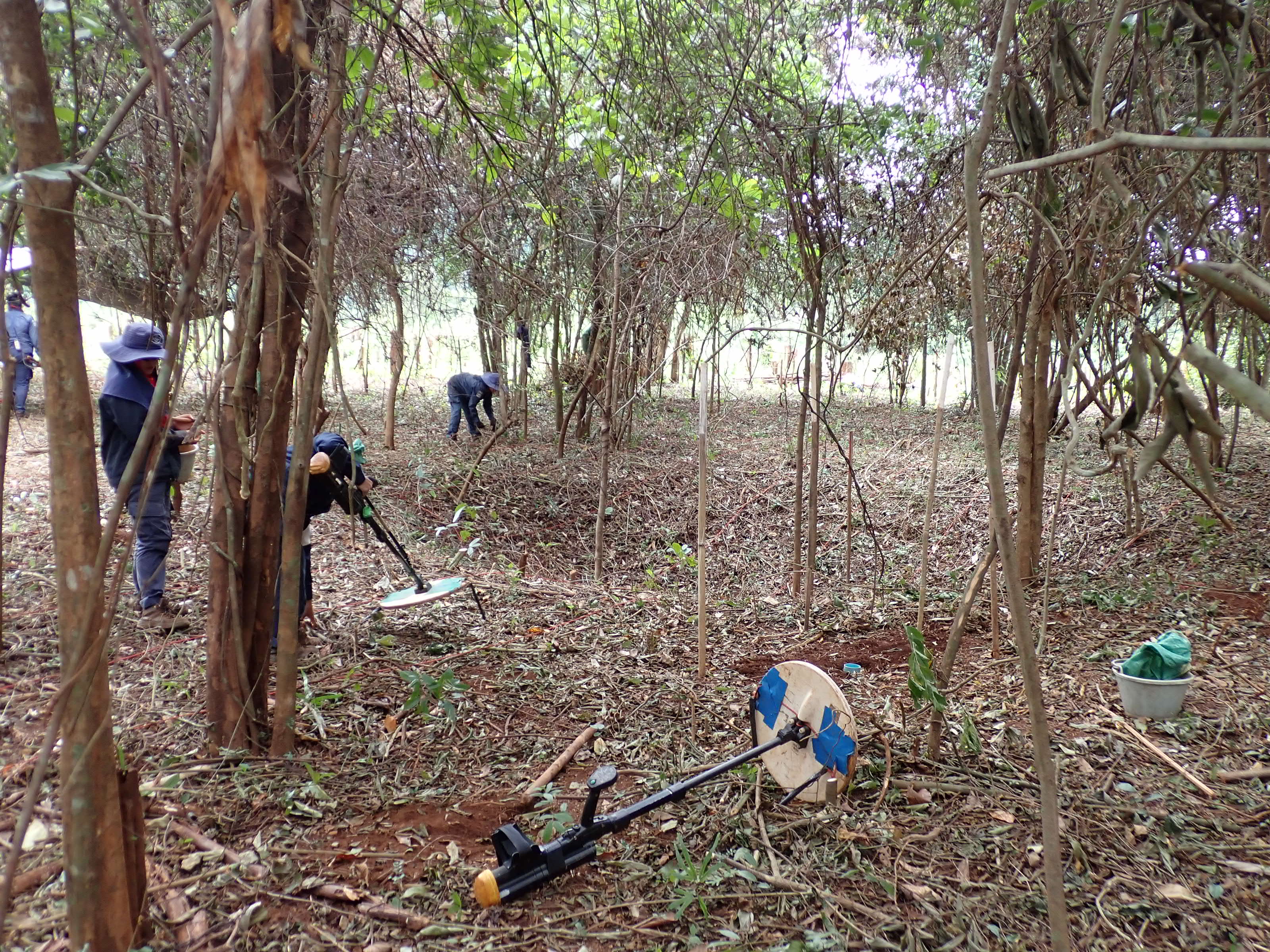 |  |
|---|
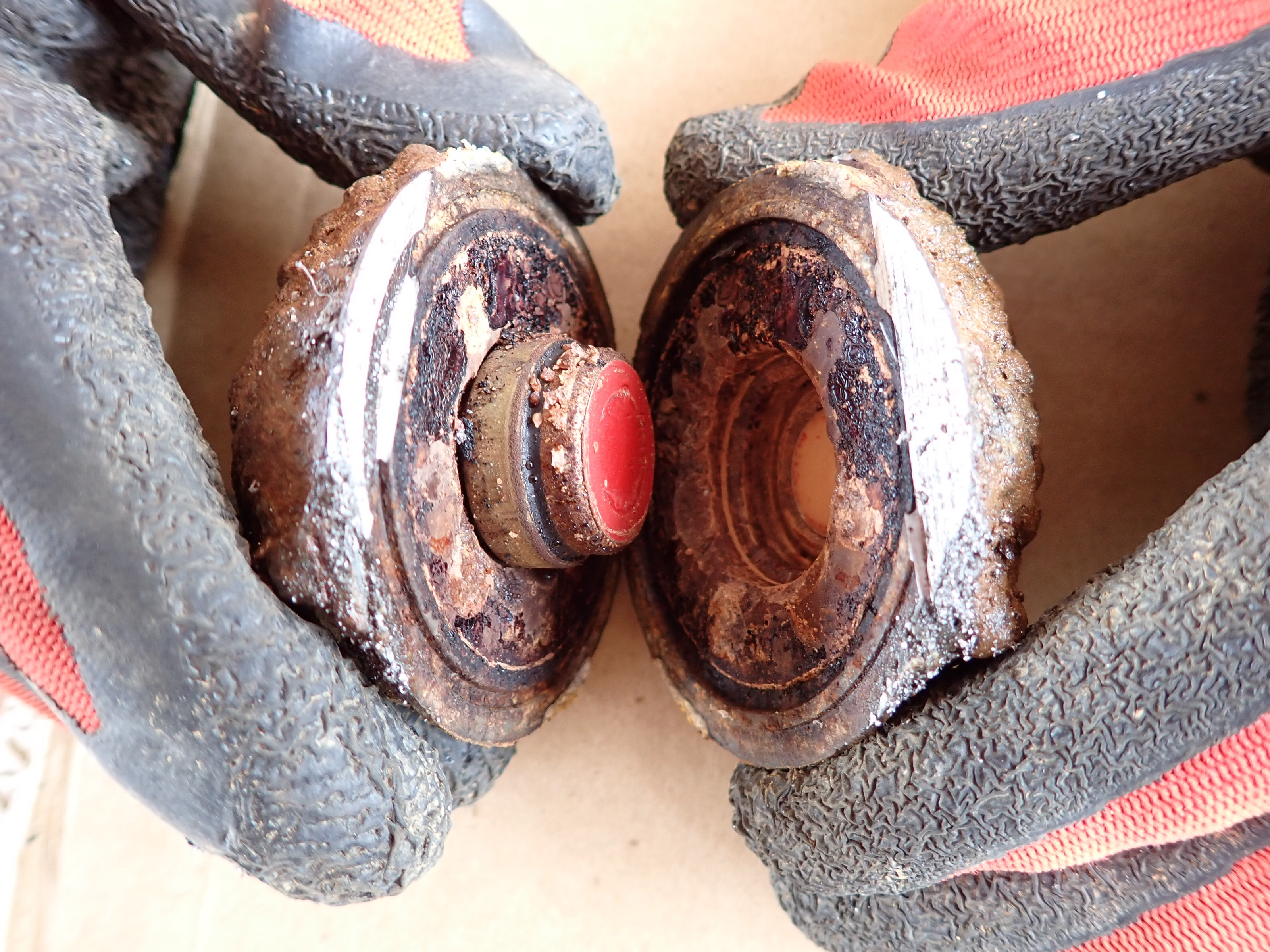
The BLU-24, BLU-26 and BLU-36/BLU-59 are all spin-armed, with complex integral fuzes located in the centre of the spherical metallic casing, completely surrounded by the high explosive charge. This means that there is no way to assess their arming status or condition without physically opening the casing, which brings the obvious risk of accidental detonation.
The BLU-3 has a clockwork-delay arming fuze that has a protruding pin to indicate whether or not it is armed. One such example was found upside down under the ground, with the BLU-3 fully armed; in this condition and orientation, the submunition was basically acting as a landmine.
Almost all of the fuzes from the submunitions evaluated, regardless of condition, had failed to fully arm. It was found that where the unexploded ordnance had broken open on impact, or corroded sufficiently to breach the casing, that moisture had penetrated and degraded the fuze to prevent further movement of the components. However, those that had retained their casing intact were in excellent condition internally, and were still capable of detonating if their components moved to the final stage of the arming process. This might easily occur as the result of movement, or even due to sudden temperature change as the submunition is removed from the cool earth and placed in hot sunshine.
Why evidence-based decision making matters?
After the disassembly and analysis by Fenix Insight, a report containing the contextual and technical detail, along with associated recommendations, was provided to the National Authority, The HALO Trust (and other humanitarian mine action organisations) and military explosive ordnance disposal (EOD) personnel.
This study and reporting allows more effective evidence-based decision-making regarding clearance of land contaminated with unexploded ordnance, leading to efficiency increases in operations and improved safety for communities.
This type of specialist work is also applicable to other regions of the world where unexploded ordnance of various types are present.
Knowledge sharing for the future
Fenix Insight personnel presented their findings in the field to members of the National Authority, The HALO Trust and senior military EOD personnel. A follow-on remote presentation was provided to a far wider audience at a later date. Stakeholders engaged in detailed technical discussions, exploring the conclusions arising from the findings and identifying recommendations and subsequent actions. This knowledge sharing is considered a vital component of the work and part of the relationship-building between the involved organisations.
This project, the analysis of unexploded submunitions along the former Ho Chi Minh trail, reflects our wider commitment to technical excellence and data‑driven analysis in mine action. Access our full repository of technical intelligence through METIS, or learn more about our consultancy services and munition breakdown support.
You may also be interested in
Related products & services
Fenix Insight’s unique combination of subject matter expertise, decades of field experience, extensive hardware collection and proprietary AI tools, provide a range of options that we can tailor into bespoke solutions for your needs.
Contact us to discuss your specific project requirements.

Latest
From the Blog
Stay informed with Fenix Insight's latest intelligence briefings, delivering timely updates on global security events and explosive ordnance developments.