Fenix Insight’s analysis reveals how Russia tailors chemical and biological narratives across African countries to reinforce its geopolitical influence where military presence is limited.
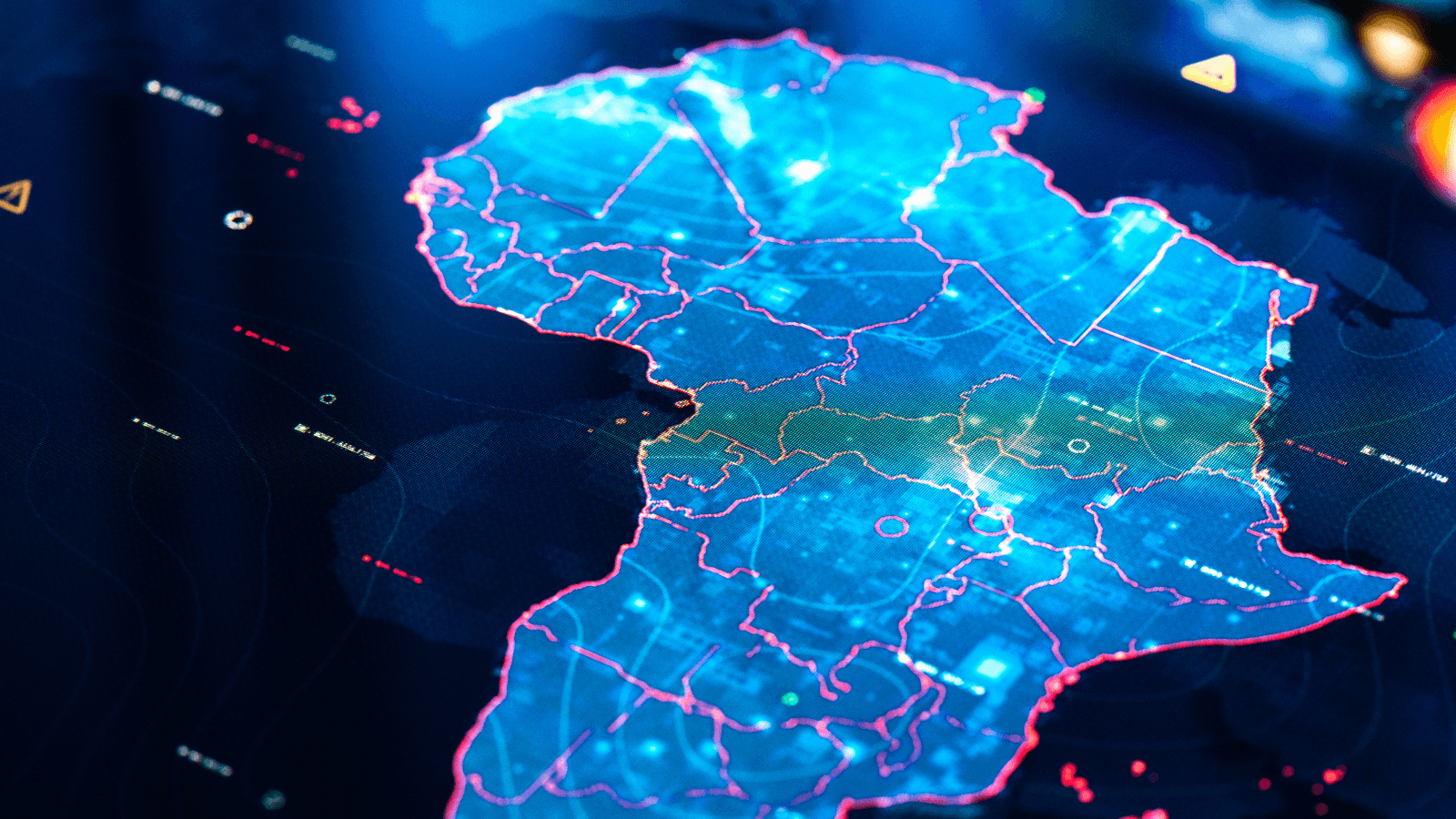
Mapping Russian Disinformation
Russian Allegations of Chemical and Biological Activities in Selected African Countries
The context
Since Russia’s full-scale invasion of Ukraine in February 2022, allegations of Western chemical and biological activities have become a persistent feature of Russian disinformation in Africa. These narratives accuse the United States and Western partners of operating clandestine biological laboratories, relocating research from Ukraine, fabricating disease outbreaks, and developing prohibited biological weapons.
This form of Russian propaganda in Africa exploits long-standing concerns around sovereignty, foreign intervention, and public health. While the narratives reference chemical and biological threats, their strategic purpose extends beyond health-related claims. They function as political messaging tools within a broader Russian disinformation campaign in Africa, tailored to national contexts, languages, and existing geopolitical alignments.
Understanding how Russian disinformation in Africa is structured, where it is concentrated, and how it adapts across countries is essential for assessing its real-world impact and intent.
 |  |
|---|
What was the problem?
Despite increasing visibility of Russian chemical and biological allegations across African media ecosystems, there is limited structured analysis of how these narratives differ between countries where Russia maintains a military or paramilitary presence and those where it does not.
In particular, there was insufficient clarity on:
which nation states are prioritised targets of Russian disinformation in Africa;
how narrative themes shift depending on Russia’s physical presence;
the role of key actors, language distribution and dissemination channels in amplifying Russian propaganda in Africa; and
how these claims support wider geopolitical objectives and enforce strategic continuity of Russian (dis)information in other regions such as Ukraine and the Eastern Flank.
The approach
Fenix Insight conducted an OSINT-based assessment covering the period from February 2022 to November 2025, focusing exclusively on country-specific allegations. Broader regional claims were excluded to ensure precision when mapping disinformation in Africa at the national level.
A total of 237 sources such as state and proxy media, broadcast outlets, and social media posts were identified and coded. Each allegation was analysed according to its primary claim, narrative objective, language of dissemination, and narrative impact. This framework enabled comparative analysis of disinformation in Africa across countries with differing levels of Russian physical engagement.
The assessment examined three groups of countries: (1) countries with a confirmed Russian military or paramilitary presence - Libya, Mali, Central African Republic (CAR) and Côte d’Ivoire; (2) countries without such a presence - Nigeria, Kenya, South Africa; and (3) Mauritania as a comparative case where Ukraine is actively providing military training and food aid.
Findings
Russian disinformation in Africa is applied selectively. The data reveals an inverse relationship: where Russia-aligned forces lack a physical presence, disinformation activity intensifies. Where influence is secured, it recedes.
Countries without an established Russian footprint, Nigeria, Kenya, and South Africa, are repeatedly targeted with narratives centred on US-controlled biological laboratories and fabricated outbreaks. Nigeria emerges as a focal point of Russian propaganda in Africa.
Where Russian-aligned actors are present, the pattern reverses. In Mali, biological narratives targeting the West are displaced by accusations that Ukraine is supplying chemical weapons to armed groups, messaging that reinforces Africa Corps' framing as a stabilising force. Libya shows a comparable decline in disinformation visibility following the consolidation of Russian-aligned actors.
The data supports a consistent strategic logic: disinformation fills the void where physical presence cannot.
Why evidence-based decision-making matters?
By systematically coding and comparing allegations, this assessment moves beyond surface-level claims. It shows that chemical and biological narratives function as instruments within a global Russian disinformation campaign, rather than as independent propaganda strands.
This evidence-based approach to mapping disinformation in Africa allows analysts and decision-makers to distinguish between high-priority target states and low-impact environments. It also supports more effective allocation of counter-disinformation resources and more informed engagement with affected governments and institutions.
Knowledge sharing for the future
The findings establish a structured baseline for tracking future iterations of Russian propaganda in Africa, including potential coordination with other state actors. They also underscore the importance of identifying both hostile narratives and unverified claims originating outside Russian channels that may reinforce the same messaging.
Grounded in documented sources and systematic analysis, this case study contributes to a clearer understanding of how disinformation in Africa operates as a geopolitical tool that adapts to context, exploits uncertainty, and supports strategic expansion.
This case study provides an overview of a broader analytical report produced by Fenix Insight’s CBRN specialist. To learn more about our in‑depth analytical reporting and how we can support your decision‑making, visit our technical reports page.
You may also be interested in
Related products & services
Fenix Insight’s unique combination of subject matter expertise, decades of field experience, extensive hardware collection and proprietary AI tools, provide a range of options that we can tailor into bespoke solutions for your needs.
Contact us to discuss your specific project requirements.

Latest
From the Blog
Stay informed with Fenix Insight's latest intelligence briefings, delivering timely updates on global security events and explosive ordnance developments.