Tenuous ceasefires: Cross‑border conflicts of 2025
This situation report examines key cross-border conflicts of 2025 — Thailand-Cambodia, India-Pakistan, and Pakistan-Afghanistan — noting their heightened severity compared to prior years. These border conflicts currently remain contained under fragile ceasefires brokered internationally, but these are tenuous at best, while other cross-border conflicts loom.

This situation report examines key cross-border conflicts of 2025 — Thailand-Cambodia, India-Pakistan, and Pakistan-Afghanistan — noting their heightened severity compared to prior years. These border conflicts currently remain contained under fragile ceasefires brokered internationally, but these are tenuous at best, while other cross-border conflicts loom.
Thailand and Cambodia
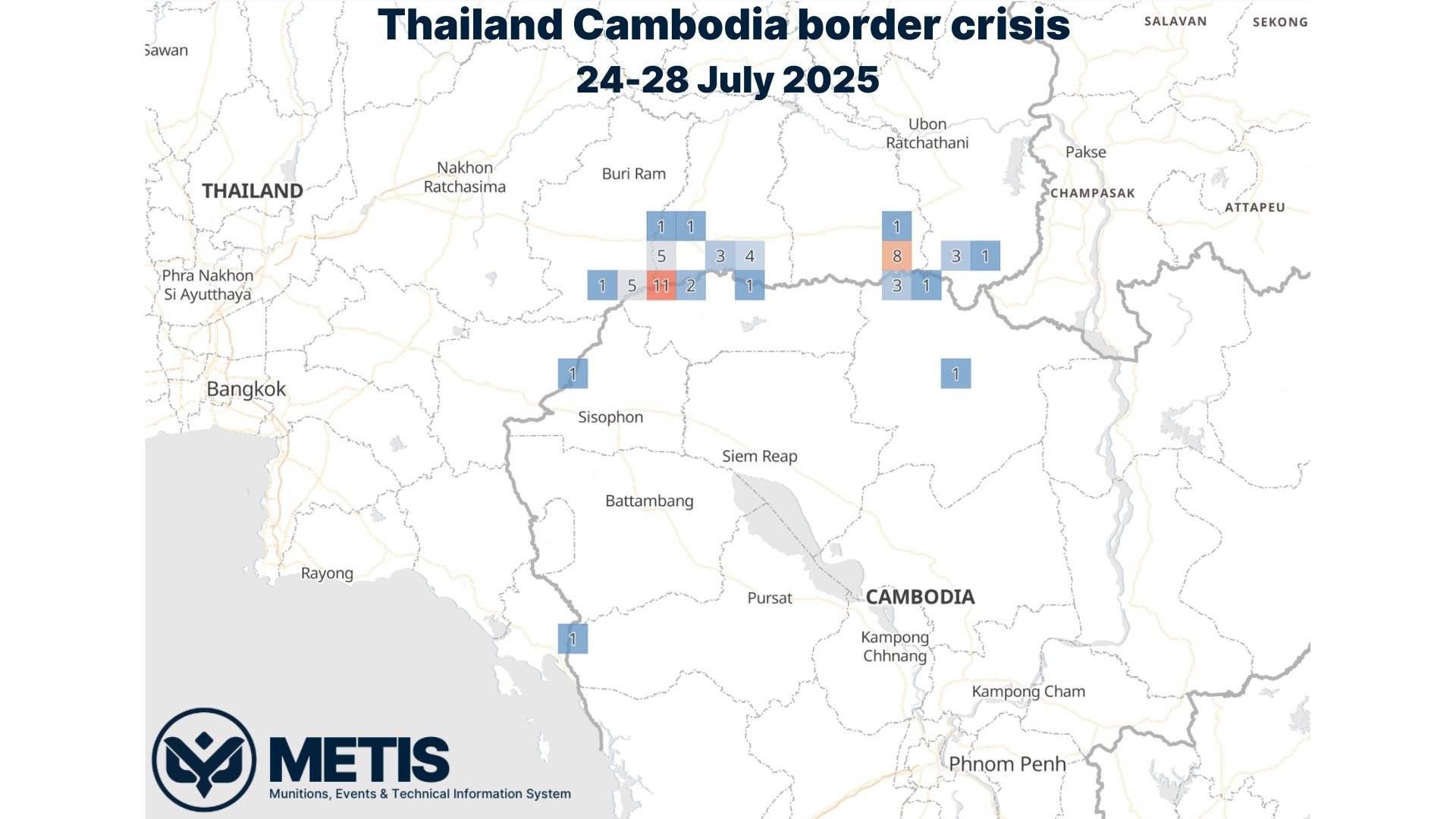
Thailand and Cambodia experienced two major periods of intense border conflicts in 2025 amid longstanding territorial disputes over undemarcated areas and ancient temples along their shared 800-kilometre land border. These marked the most severe escalation between the neighbours in over a decade. The first of these clashes erupted on 24 July, lasting until around 28 July, involving gunfire, artillery, rocket exchanges, and airstrikes that killed dozens and displaced hundreds of thousands across multiple border provinces.
The second phase ignited on 7 December and lasted 20 days until a ceasefire took effect on 27 December, brokered by ASEAN and others, with both sides reporting significant casualties and resulting in further displacement.
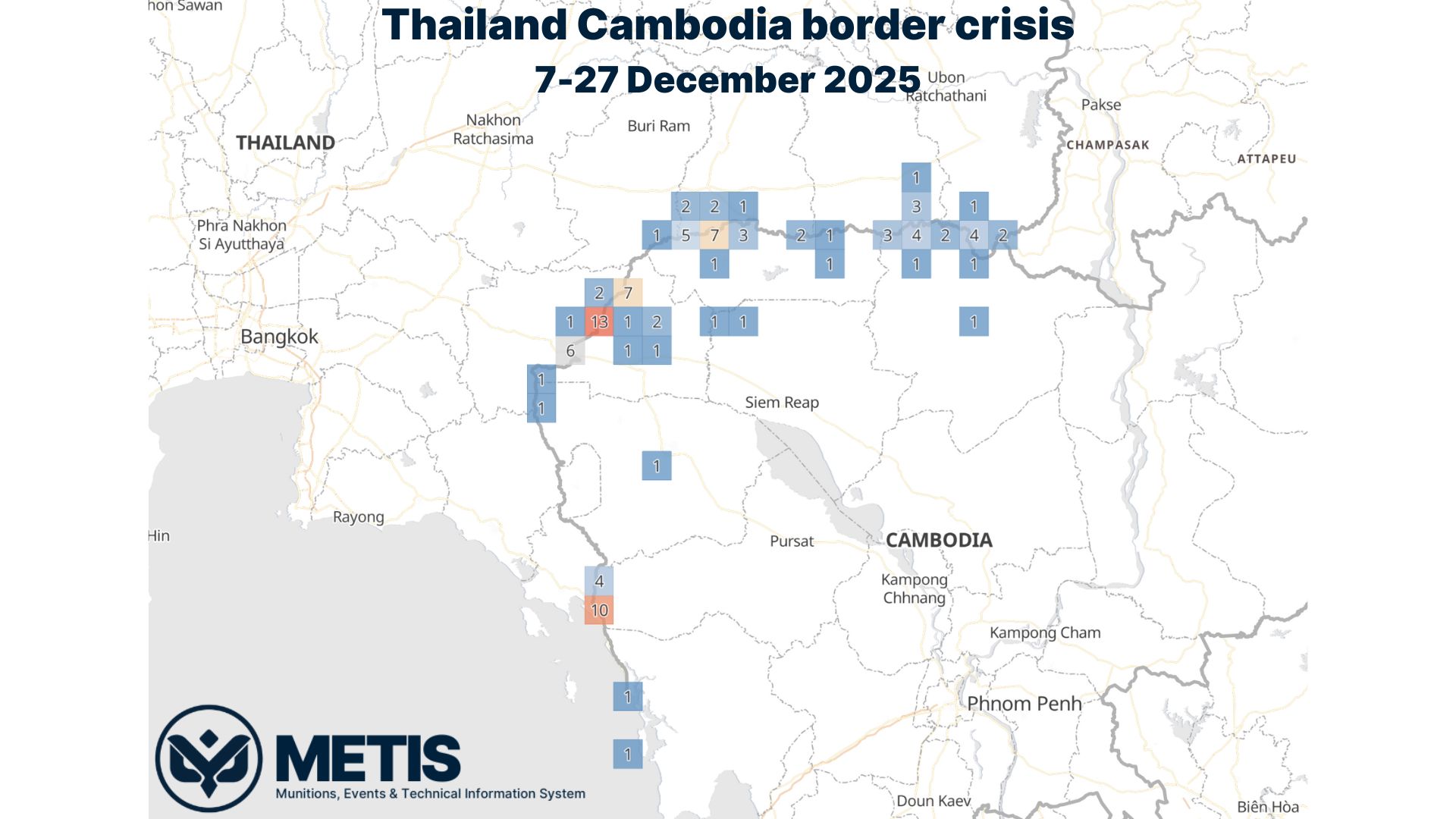
The presence of mines and reported use of submunitions further exacerbated the cross-border tensions, Thailand accusing Cambodia of planting new landmines in violation of the Ottawa Treaty, and Cambodia refuting this claim, accusing Thailand of deliberately patrolling in historically mine-contaminated areas as a provocation.
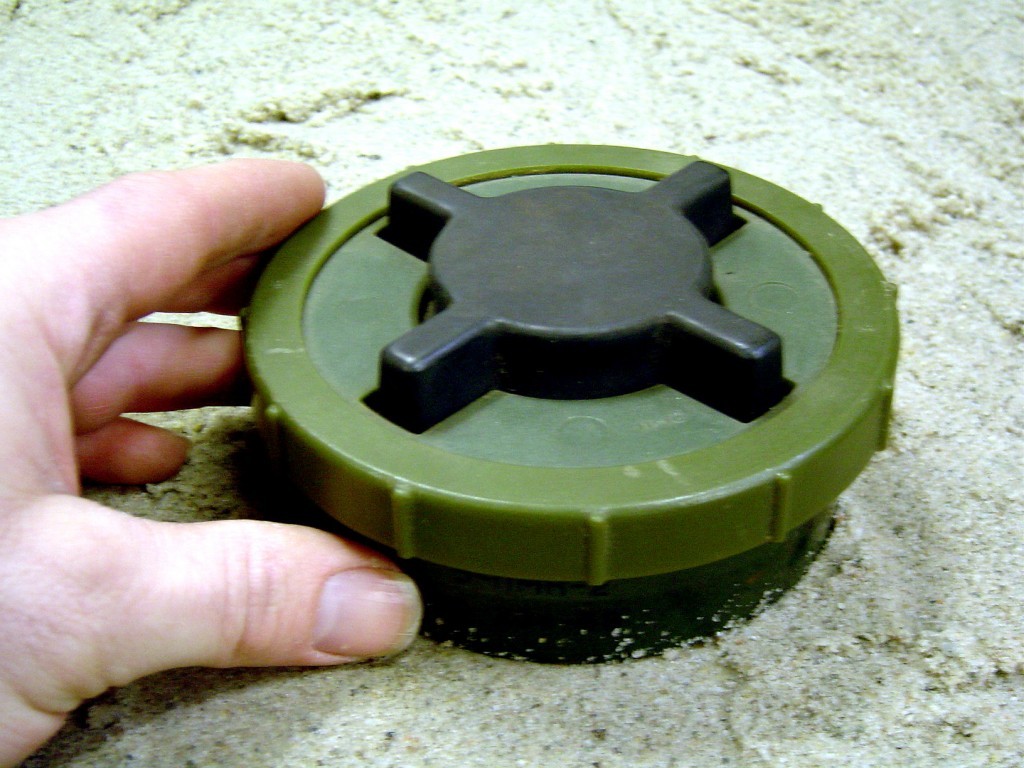
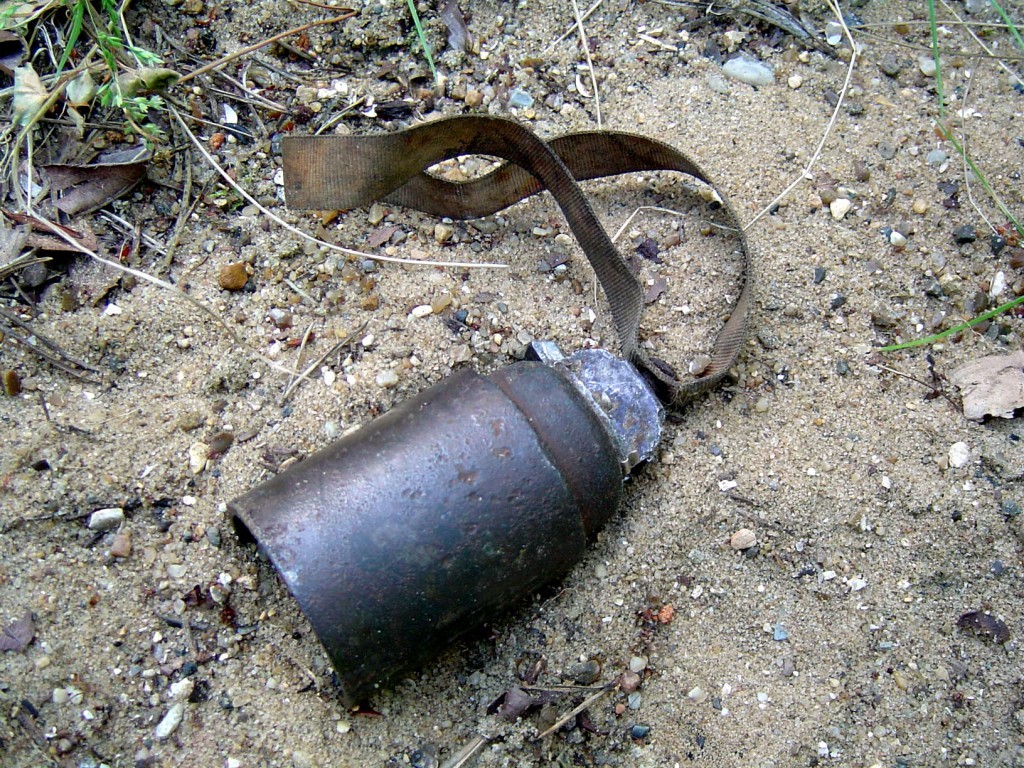
Event captured in METIS on the 19th of December 2025: Landmine Evidence Found in Border Areas, Thai Navy Condemns Cambodia |
Most of the fighting was located at the border itself, with Thai forces pushing into Cambodia, while each side launched artillery and airstrikes on each other’s territory. Due to difficult terrain, many engagements were at close quarters, with troops fighting with small arms and grenades to take fortified positions. Tanks and other armoured vehicles were deployed, while first-person view (FPV) drones were also used.
Chinese munitions have been seen in use by Cambodian forces, or captured by Thai forces during their operations.
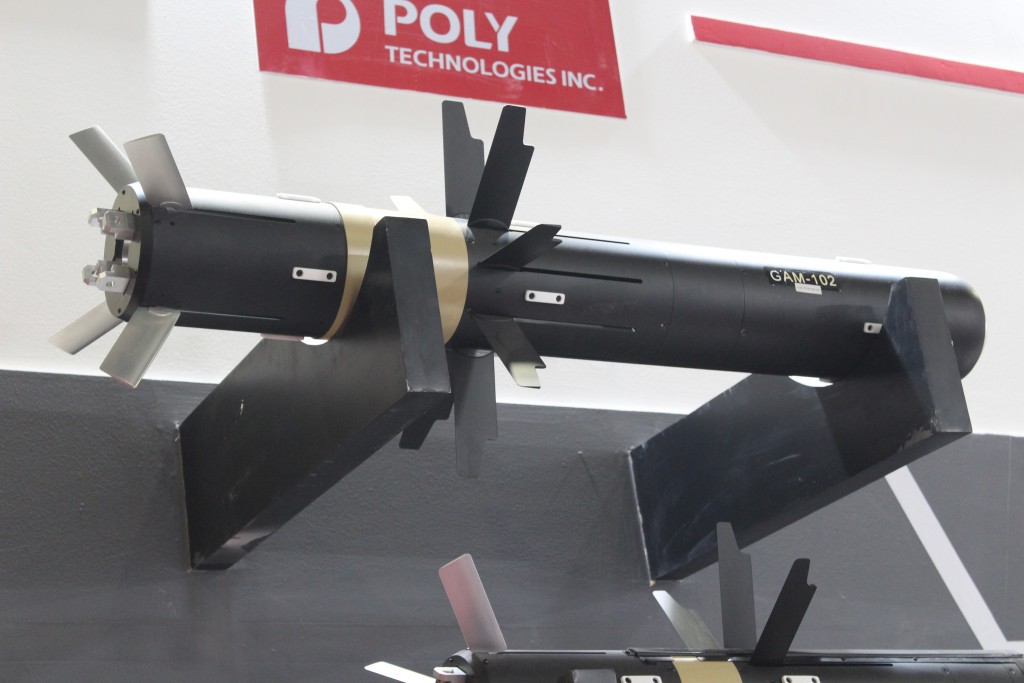 | 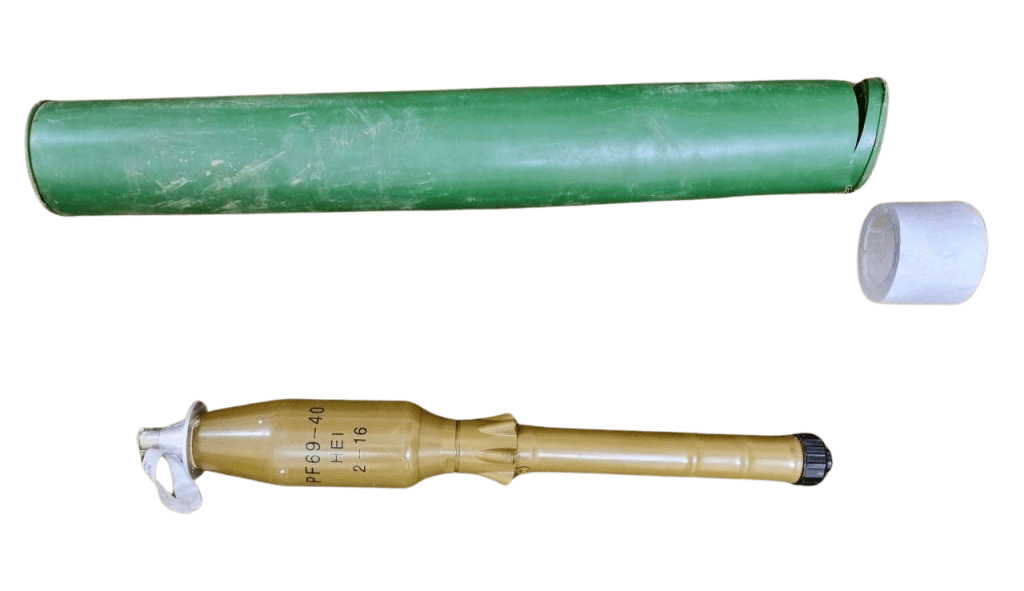 |
Event captured in METIS on the 9th of December 2025: "Aerial surveillance revealed that the Cambodian troops set up a new base at Ban Nong Ri” |
Both sides repeatedly blamed the other for initiating hostilities. Most recently, on 6 January 2026, Cambodia fired across the border into Thailand's Ubon Ratchathani province, wounding a Thai soldier; Cambodia attributed it to an operational error, averting escalation as Thailand demanded accountability without further fighting.
India and Pakistan
Last year marked one of the most significant crises between India and Pakistan in recent decades. On 22 April 2025, militants killed 26 people (25 Indians, one Nepali) in Pahalgam, in the Indian-administered portion of the disputed territory of Jammu and Kashmir. The Resistance Front (TRF), allegedly linked to Pakistan-based Lashkar-e-Taiba, initially claimed responsibility for the attack on Telegram before retracting their statement and denying all involvement.
In response, India immediately implemented a set of diplomatic and economic punitive measures, such as suspending the 1960 Indus Waters Treaty, which regulates the allocation of water between India and Pakistan, closing the Attari border, cancelling Pakistani visas and expelling diplomats. On 7 May 2025, India took military action by striking nine sites in Pakistan killing dozens of people.
Over the next four days, the two nuclear-armed nation states launched long-range missiles and drones, and engaged in aerial combat across their respective borders. Intense fighting occurred along the Line of Control, which separates Indian-administered from Pakistan-administered Kashmir, where artillery and small arms were frequently used. While the warfare remained conventional, there was an intensity and frequency beyond that of previous cross-border conflicts. A ceasefire took hold on 10 May amid international calls for de-escalation.
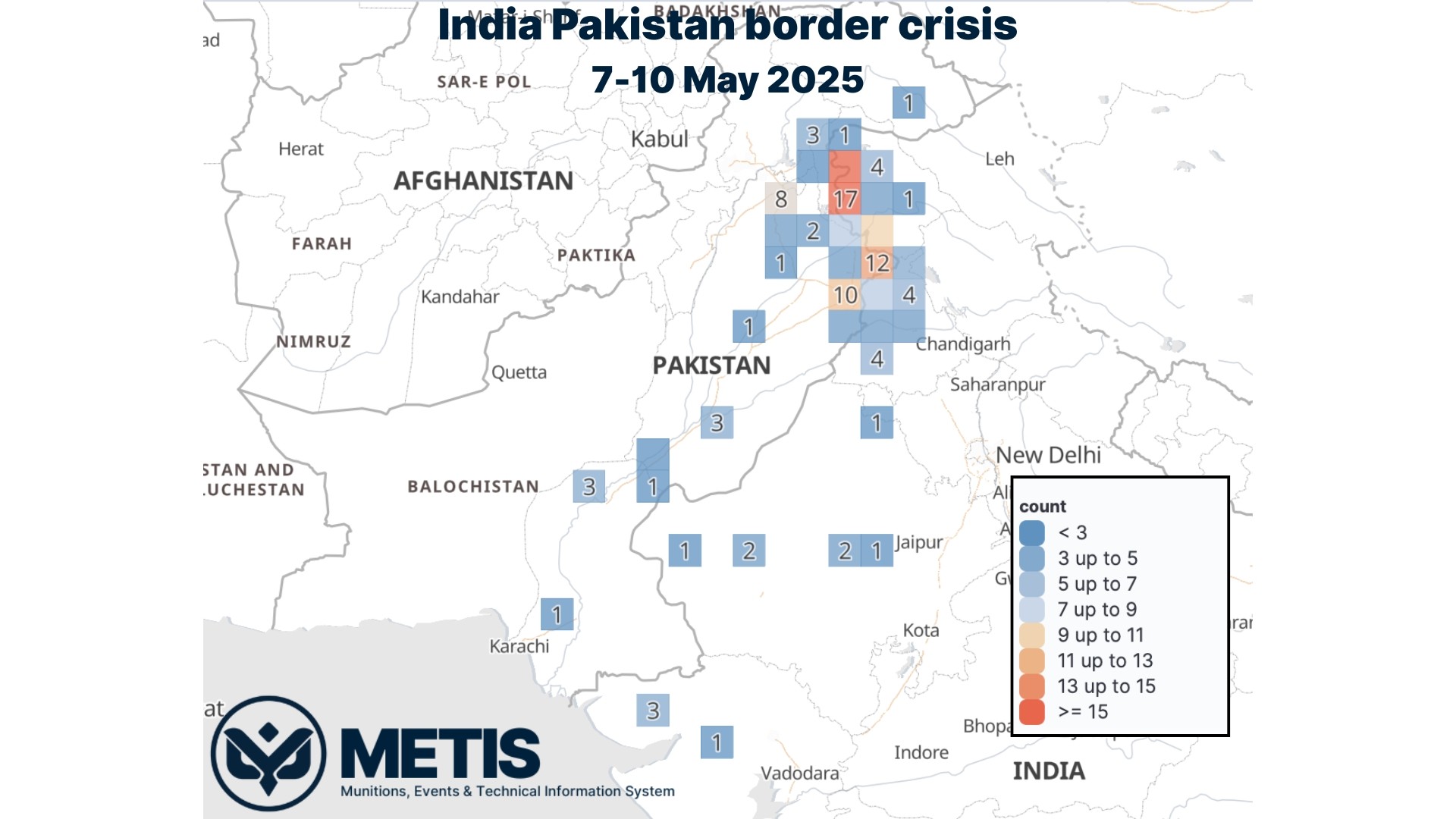
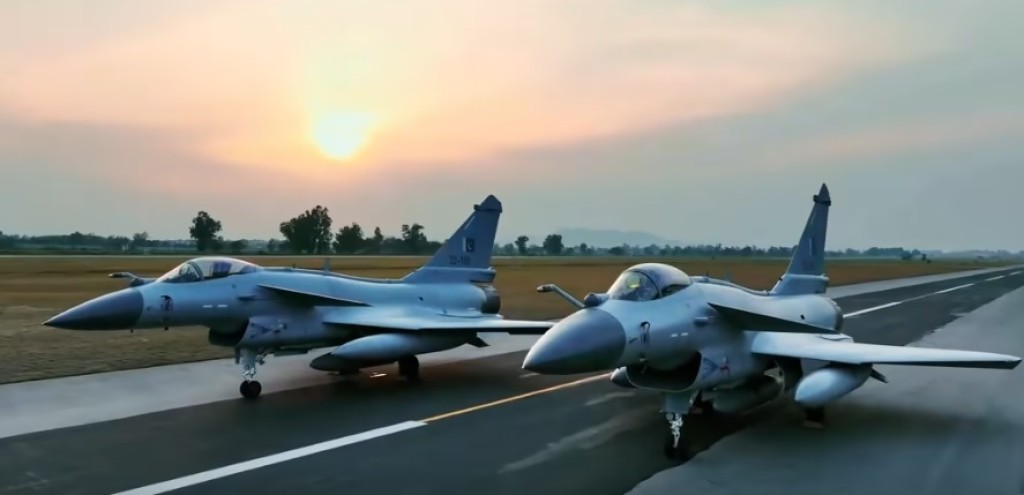
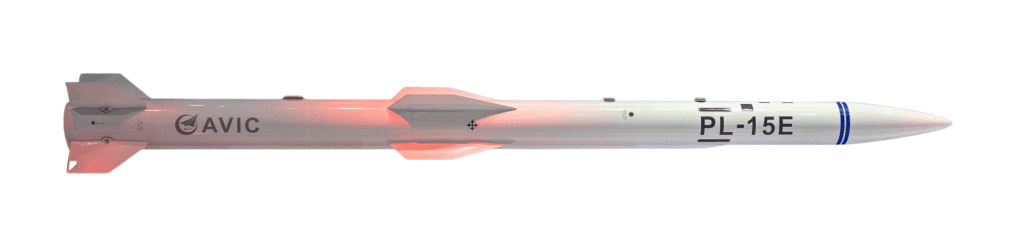
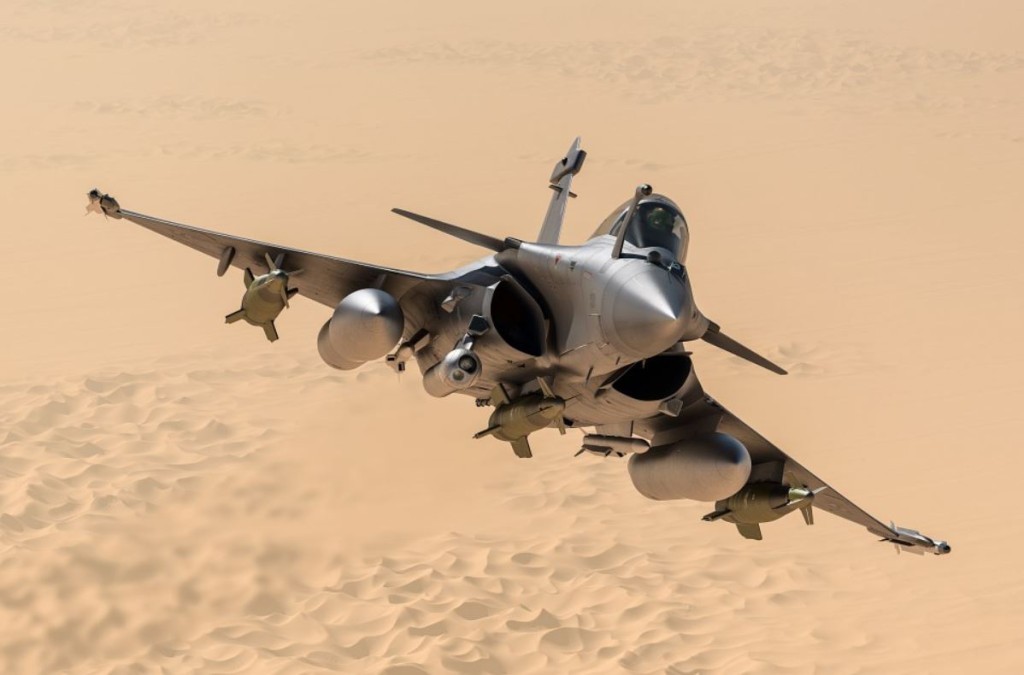
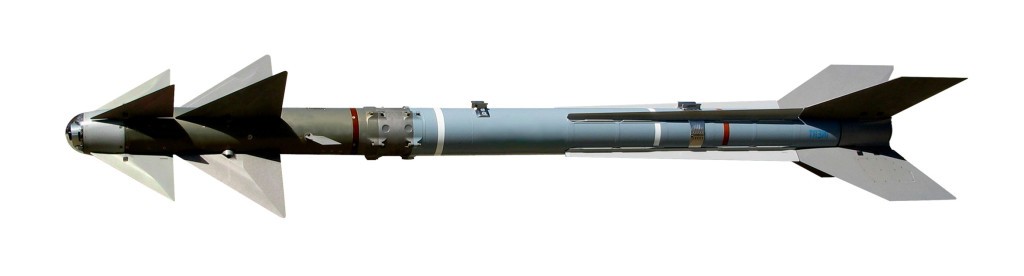
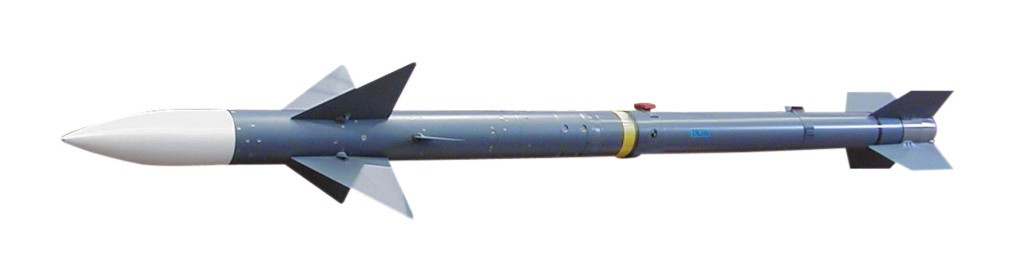
The use of one-way attack drones and long-range surface- and air-to-air missiles was beyond what had been seen for many years. In the air, Pakistani J-10C are claimed to have shot down several Indian Rafale jets with Chinese PL-15 missiles, with debris from both found in multiple locations.
Drones were fielded by both sides, with India launching its Israel-developed Harop and Harpy NG, along with the Polish-developed WARMATE, while Pakistan countered using its own YiHA-III.
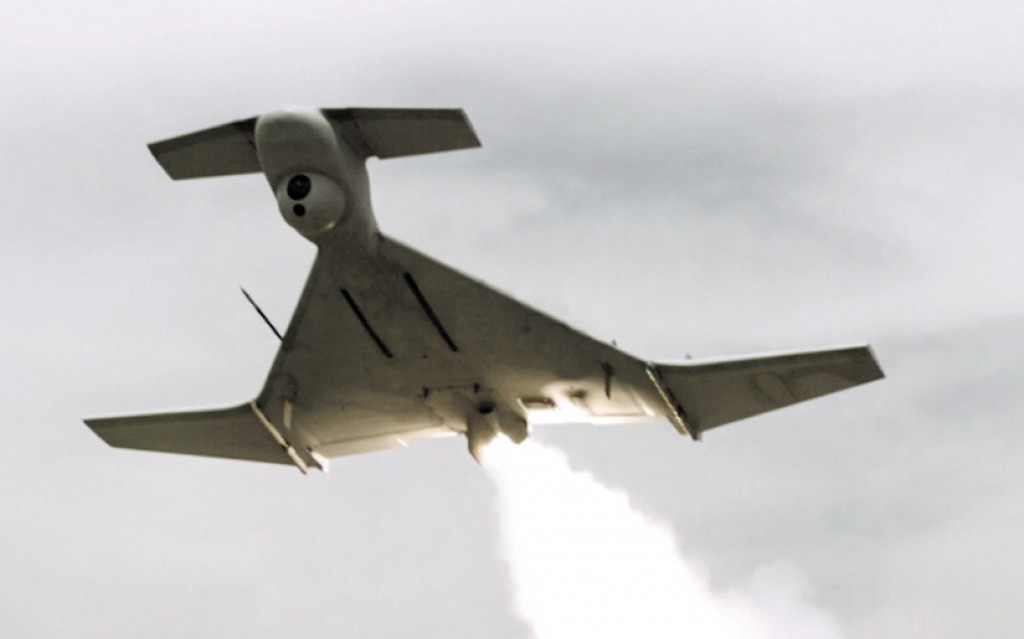
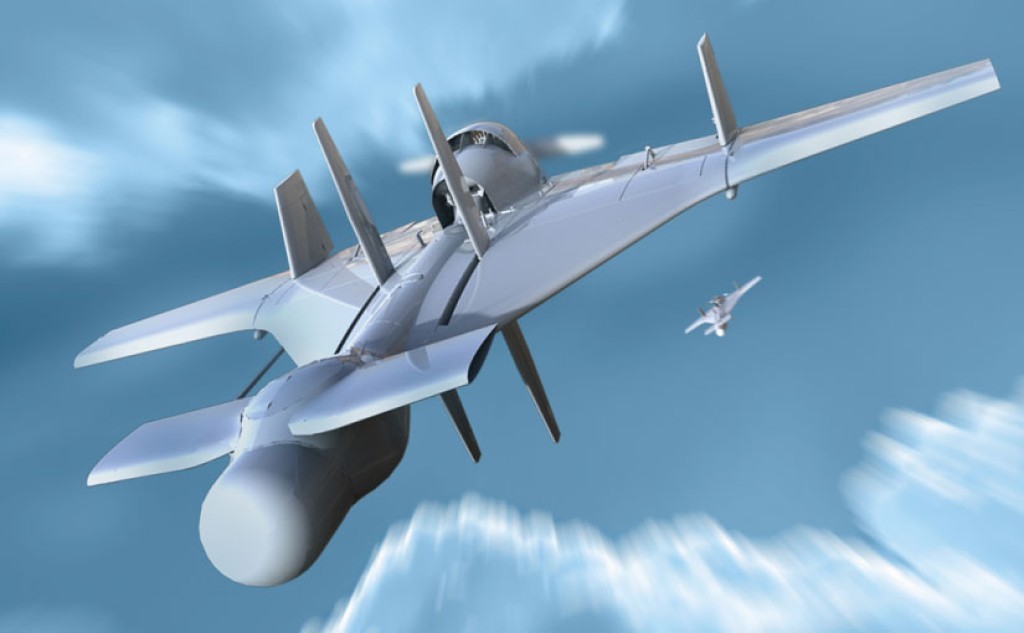
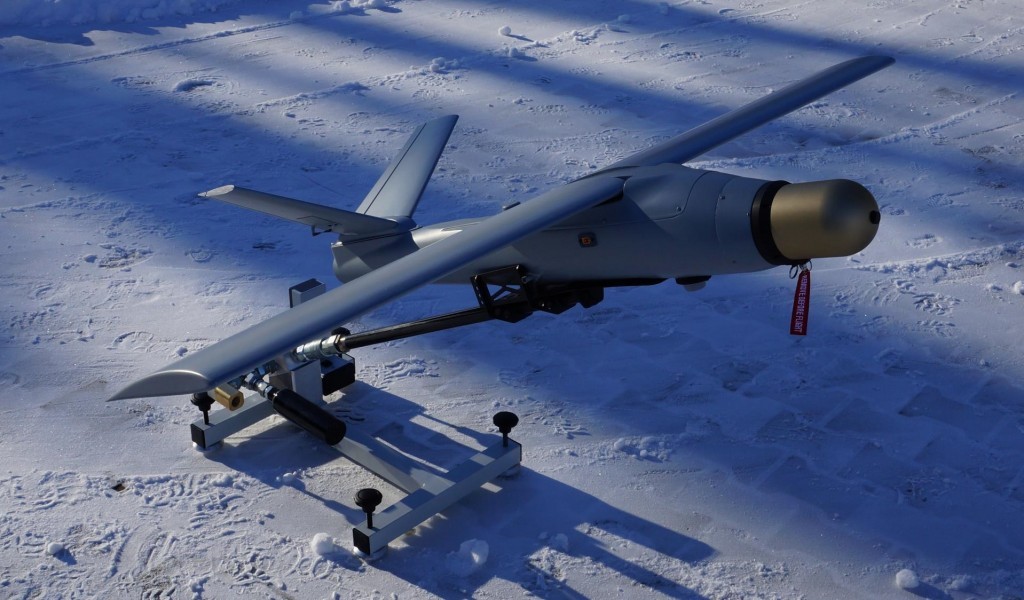
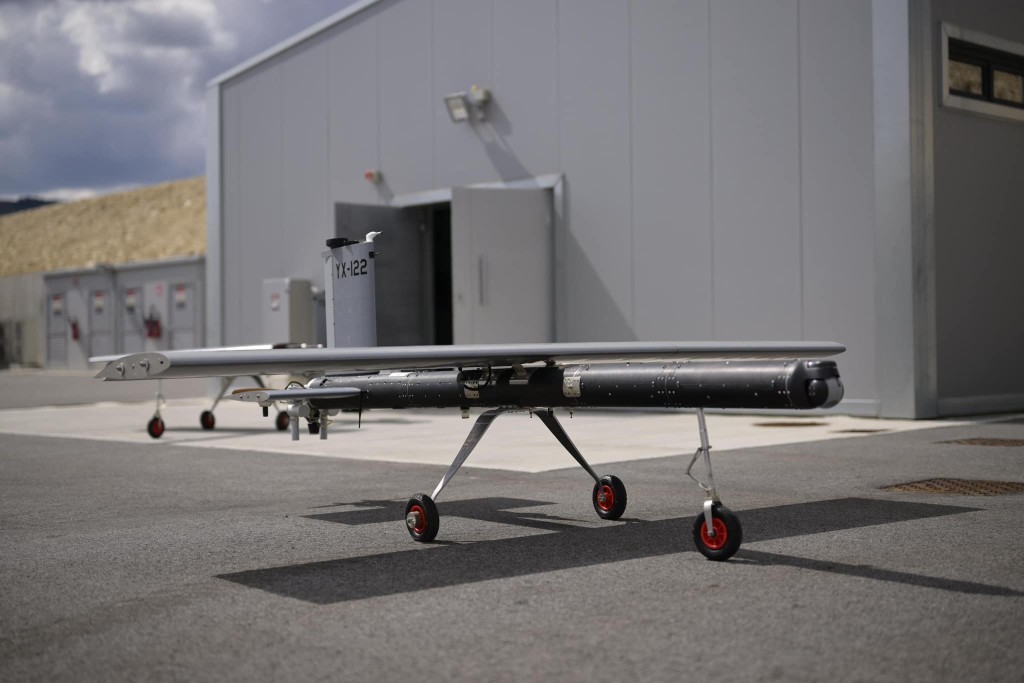
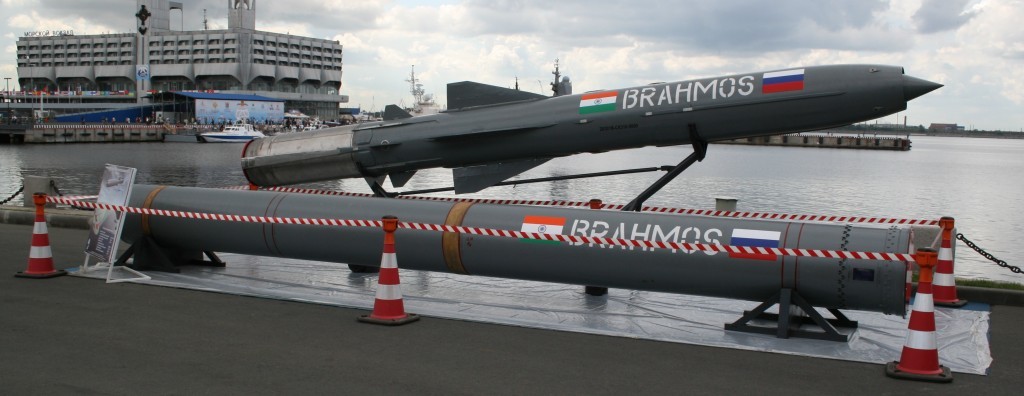
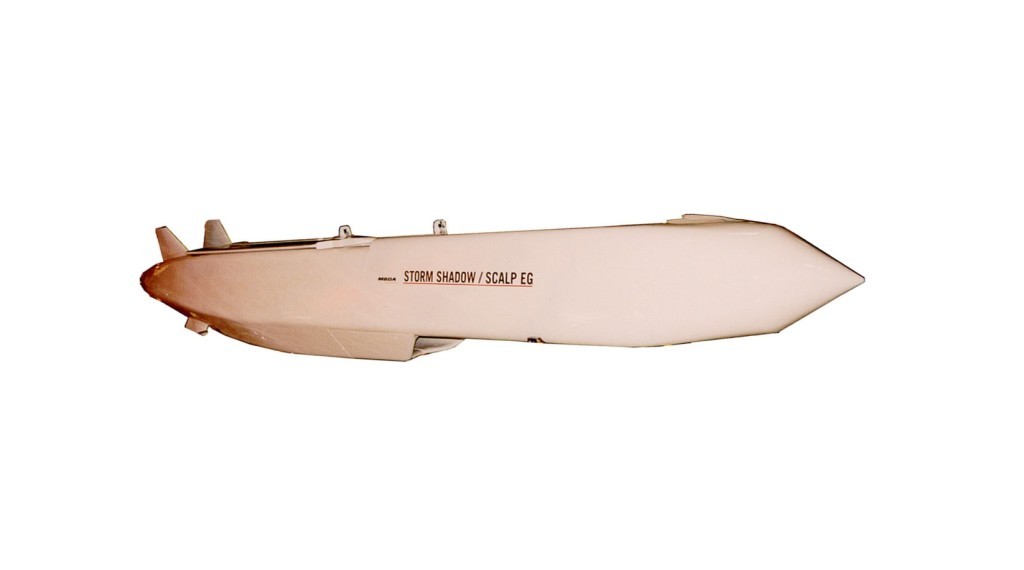
Long-range strike missiles like the BrahMos and Storm Shadow (SCALP EG) were fired by India, who also utilised surface-to-air missiles to defend its territory.
Pakistan and Afghanistan
Pakistan and Taliban-controlled Afghanistan saw intense border clashes throughout 2025, erupting fully in October 2025 after Pakistani airstrikes on alleged Tehrik-e Taliban Pakistan (TTP) hideouts in Kabul and eastern provinces. Fighting peaked on 11-12 October near Spin Boldak, killing 17 civilians per UNAMA reports.
A fragile ceasefire, agreed on 15 October and formalised on 19 October through Qatar- and Türkiye-mediated talks in Doha, faced repeated violations, including a Pakistani airstrike in Paktika on 17 October and an exchange of fire near Spin Boldak on 6 November. On 25 November, the Taliban accused Pakistan of airstrikes in Khost, Kunar, and Paktika that killed nine children and one woman; Pakistan denied the claims amid ongoing clashes with militants in its northwest.
Negotiations repeatedly stalled over Pakistan's demands for decisive Taliban action against TTP operations on Afghan soil, with Defence Minister Khawaja Asif warning of potential "open war." Later talks in Istanbul and Saudi Arabia failed, despite Prime Minister Shehbaz Sharif's offer to resume dialogue, as suicide bombings in Pakistan on 11-12 November—blamed on Taliban-backed Afghan nationals—intensified rhetoric. Iran also offered mediation.
By early 2026, borders have remained closed for months, disrupting trade and exacerbating economic woes, while Pakistan labeled Afghanistan a growing terrorism hub. The ceasefire holds tenuously, but persistent TTP support allegations and sporadic violence signal ongoing risks of regional destabilisation.
Conclusion
Each of these conflicts was mediated to a tenuous ceasefire that is currently holding into 2026. However, there is a still a risk of these erupting again, with the same or even more intense conflict ensuing. Other cross-border conflicts are flaring, such as Ethiopia and Eritrea over access to the Red Sea, while Baltic states are worried over Russia and Belarus on their borders.
Following a trend from previous years, 2025 has highlighted the rapid escalation that can occur between neighbouring countries over historical and current grievances. The immediacy with which countries respond with significant military force, far beyond that of minor border conflicts, highlights a shift in policy. Due to the intensity of the conflict, casualties and destruction is often significant before mediation efforts can get underway and both sides to reach an agreement. Additionally, this causes displacement of civilians, hampers economies and puts further pressure on humanitarian organisations to simultaneously respond to crises across the world, and deal with the remnants of war left behind.
Already this year has shown continued conflict in Ukraine, Yemen, the Sahel and many other countries and regions, even as new crises, such as the situation in Venezuela, have emerged. The tendency to resolve matters through violence appears to be increasing, highlighting a shift in the global order. Fenix Insight remain committed to tracking these conflicts throughout the world
Fenix Insight welcome your use of our data, visualisations, analysis, and other information, but always with proper attribution and a link back to our website. Please read our Attribution Policy for further information.

Source Information
Where our site contains links to other sites and resources provided by third parties, these links are provided for your information only. We have no control over the contents of those sites or resources, and accept no responsibility for them or for any loss or damage that may arise from your use of them. If you find a broken link or a link directing you to website material you feel is unsuitable, please contact us. If you have any queries about information accessed through links, you are advised to check directly with the organisation concerned.